US Cups vs. Metric Cups: Why Size Matters in the Kitchen
If you have ever tried a baking recipe from a British or Australian blog using your standard American measuring cups, you might have ended up with a dry cake or a batter that was too wet. It's a common headache.
The truth is, a "cup" isn't a single universal unit. Depending on where the recipe creator lives, that cup can mean three different volumes. Here is the lowdown on US Customary, US Legal, and Metric cups, and how to tell them apart.
Cup Sizes around the Globe
- ›US Customary Cup: 236.59 ml (Standard for US baking recipes)
- ›US Legal Cup: 240 ml (Mandated by the FDA for nutrition labels)
- ›Metric Cup: 250 ml (Standard in Australia, New Zealand, UK, and Canada)
- ›Japanese Cup: 200 ml (Standard in Japan)
Convert Milliliters & Cups Instantly
Skip the guesswork. Use our free mL and Cups Converter to translate liquid volumes between US, Metric, and Japanese cups in an instant.
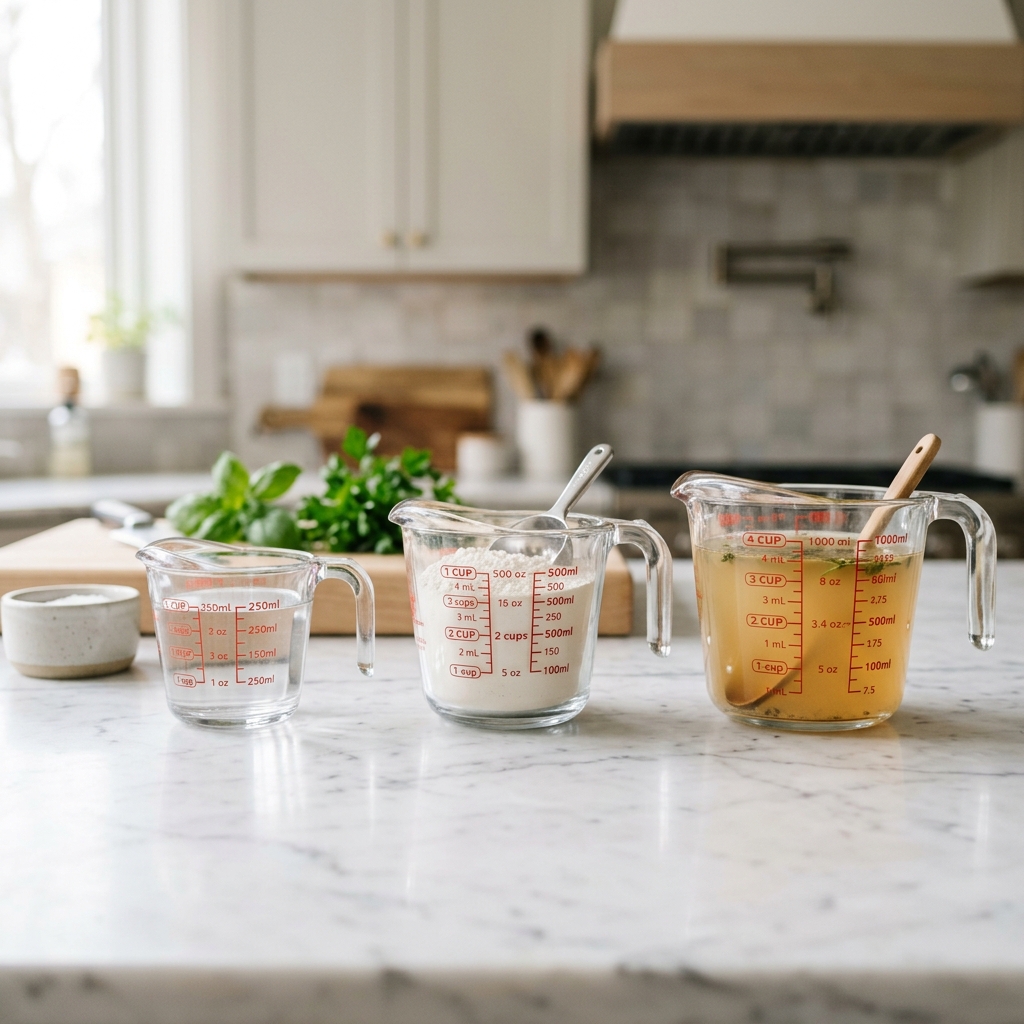
The Three Main Cups You'll Run Into
If you're reading recipes online or looking at food labels, you'll encounter these three cup standards:
| Cup Type | Volume in Milliliters | Primary Use / Region |
|---|---|---|
| US Customary Cup | 236.59 ml | US Home Recipes & Measuring Sets |
| US Legal Cup | 240 ml | FDA Nutrition Facts & Food Labeling |
| Metric Cup | 250 ml | Commonwealth Countries (UK, Australia, Canada, NZ) |
Why Your Baking Cares About 6%
The volume difference between a US Customary cup (about 236.6 ml) and a Metric cup (250 ml) is roughly 13.4 ml. That's about **5.7%** difference.
For a rustic soup or a casual stew, a 6% variance won't make a bit of difference. But for delicate baking, it's a make-or-break number. Let's say a recipe calls for 4 cups of flour and 2 cups of milk. If you use a Metric cup instead of a US cup, you're adding 54 ml of extra milk and about 50 grams of extra flour. Your batter's structural balance is completely thrown off.
It gets worse if the recipe mixes measurement systems—like cups of flour combined with grams of butter. If you use the wrong cup size, your fat-to-flour ratio will be completely wrong. You'll end up with greasy, flat cookies or a cake that tastes like cardboard.
A standard Metric cup is 250 ml, while a US Customary cup is 236.6 ml. Mixing them up adds a 6% error margin right into your mixing bowl.
How to Keep Your Measures Precise
Here is how to keep regional cup differences from ruining your next batch of pastry:
- Look at the source: If you're using a recipe from an Australian, British, or Canadian website, assume they mean a 250 ml metric cup. If it's a US creator, they're using 236.6 ml.
- Convert to weight or mL: Convert those cups to absolute numbers like grams or milliliters that are the same in every country.
- Use a kitchen scale: Honestly, this is the best habit you can build in the kitchen. Weighing flour and butter in grams bypasses the cup size debate completely.
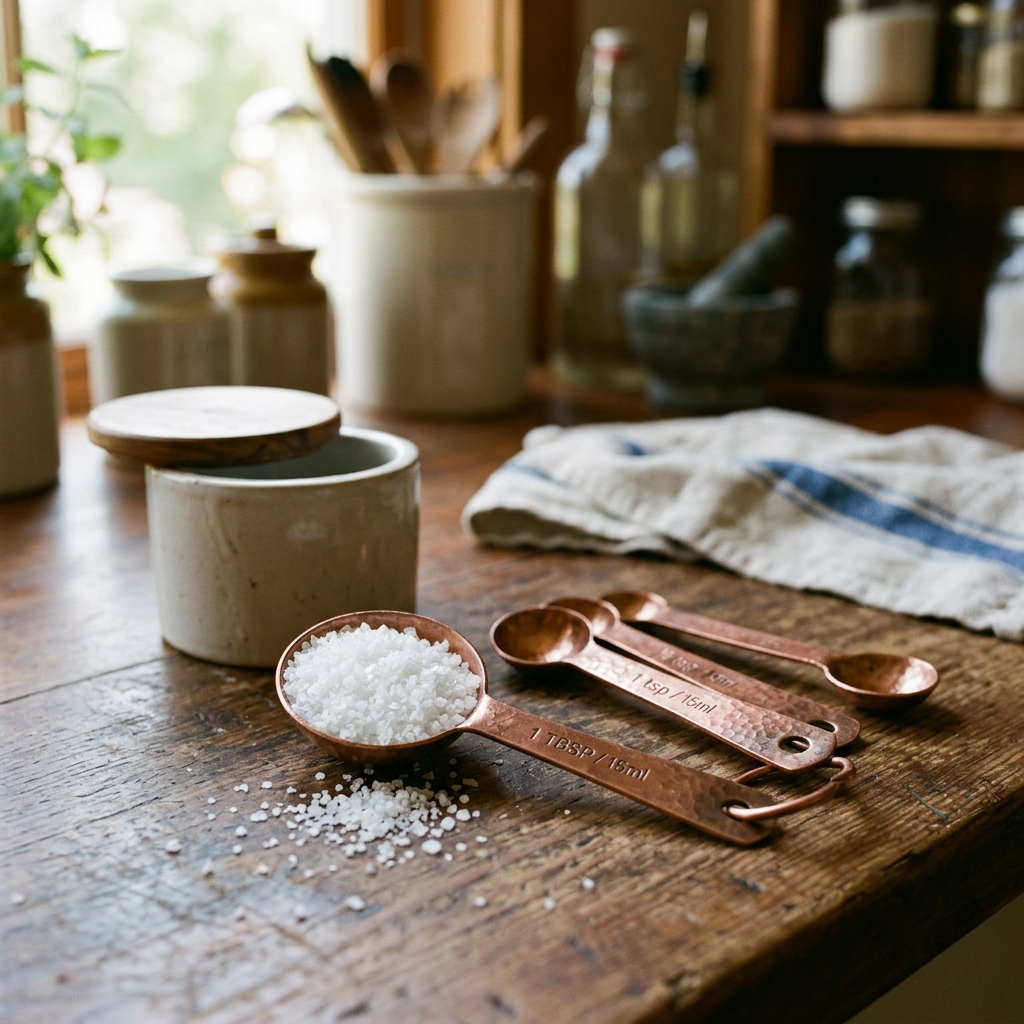
Baker's Rule
Use Our Measurement Tool
Want to skip the regional confusion? Use our free mL and Cups Converter. It lets you swap liquid volumes between US cups, metric cups, tablespoons, teaspoons, and milliliters in a flash so your proportions stay correct.
More Cooking Tools
Keep your kitchen measurements on point with these free tools:
- mL and Cups Converter — Convert liquid volumes across different regions.
- Cups to Grams Converter — Convert cups of baking ingredients to grams.
- Unit Converter — Convert between metric and imperial units.
- Recipe Scaler — Scale recipe servings up or down.
The Bottom Line
Measuring cups are handy, but their lack of a global standard makes them risky for precision baking. If you are cooking an international recipe, take a minute to convert the cups to grams or milliliters—it will save you a lot of frustration.
Frequently Asked Questions
Recommended Reading
US Cups vs. Australian Cups: Why Your Recipe Might Be Failing
A US cup is 236.6 ml, but an Australian cup is 250 ml. Here is how that 6% difference can ruin your baking, and how to swap them easily.
How Many Grams Are in a Cup? (It's Not as Simple as You Think)
Looking for a quick way to convert cups to grams? Here is a simple, ingredient-by-ingredient guide to what one cup actually weighs in the real world.
How to Convert Any Recipe from Cups to Grams
Tired of guessing how much a cup of flour actually weighs? Here is how to convert any cup-based recipe to grams so your bakes turn out perfect every single time.