US Cups vs. Australian Cups: Why Your Recipe Might Be Failing
Baking is science, and science relies on proportions. If you've ever tried a recipe from an international blog and ended up with a runny mess or a dry brick, you might have fallen victim to the cup size trap.
Even though they share the exact same name, a "cup" isn't the same size worldwide. Let's look at the differences between US and Australian cups, and how to handle them in your kitchen.
US vs. Australian Cups at a Glance
- ›US Customary Cup: 236.59 ml (Standard for US baking recipes)
- ›Australian Metric Cup: 250 ml (Standard in Australia, UK, and Canada)
- ›Difference: An Australian cup is 5.7% larger than a US cup.
- ›Conversion: 1 Australian Cup = 1.06 US Cups (or 1 cup + 1 tablespoon customary).
Convert Milliliters & Cups Instantly
Don't guess the volume difference. Use our free mL and Cups Converter to translate liquid volumes between US, Metric, and Japanese cups in a second.
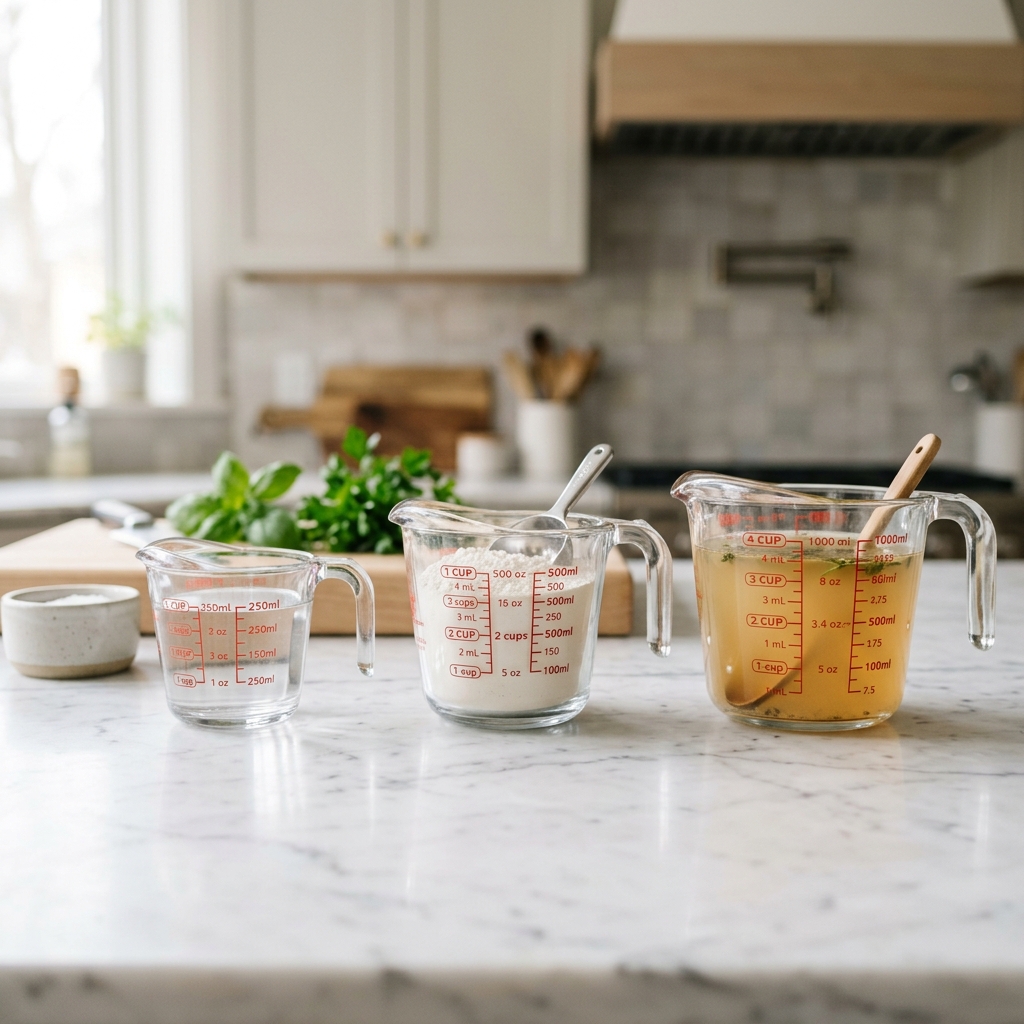
Sizing up the Cups
Here is a quick breakdown of how cups compare by region, fluid ounces, and milliliters:
| Cup Type | Volume in Milliliters | Volume in Fluid Ounces | Primary Use / Region |
|---|---|---|---|
| US Customary Cup | 236.59 ml | 8 fl oz | US Home Recipes & Measuring Sets |
| US Legal Cup | 240 ml | 8.12 fl oz | FDA Nutrition Facts & Food Labeling |
| Metric / Australian Cup | 250 ml | 8.45 fl oz | Commonwealth Countries (UK, Australia, Canada, NZ) |
Why a 6% Difference Can Ruin Your Cake
The gap between a US Customary cup (about 236.6 ml) and an Australian Metric cup (250 ml) is only 13.4 ml. That's about **5.7%** difference.
Now, a 6% difference won't ruin a batch of chocolate chip cookies. But for delicate bakes where ratios are tight, it's a different story. If a recipe calls for 4 cups of flour and 2 cups of milk, and you accidentally use Australian cups instead of US ones, you're dumping in an extra 54 ml of milk and roughly 50g of extra flour. That throws your batter completely out of whack.
Things get even messier if a recipe mixes metric and volume measurements—like cups of flour with grams of butter. Use the wrong cup, and your fat-to-flour ratio goes out the window, leaving you with flat, greasy cookies or a dry, crumbly cake.
An Australian metric cup is 250 ml, but a US customary cup is 236.6 ml. Swapping them without looking adds a 6% error rate straight to your baking.
How to Keep Your Baking on Track
Here is how to make sure cup differences don't mess up your next batch of cookies:
- Know the author: If the blog or site is Australian, British, or Canadian, they're almost certainly using 250 ml metric cups. If they are American, they mean standard US cups (236.6 ml).
- Switch to grams or milliliters: Turn those cups into solid numbers that don't change regardless of country lines.
- Grab a kitchen scale: This is the ultimate fix. Weighing ingredients in grams bypasses the cup debate entirely and keeps your baking consistent every single time.
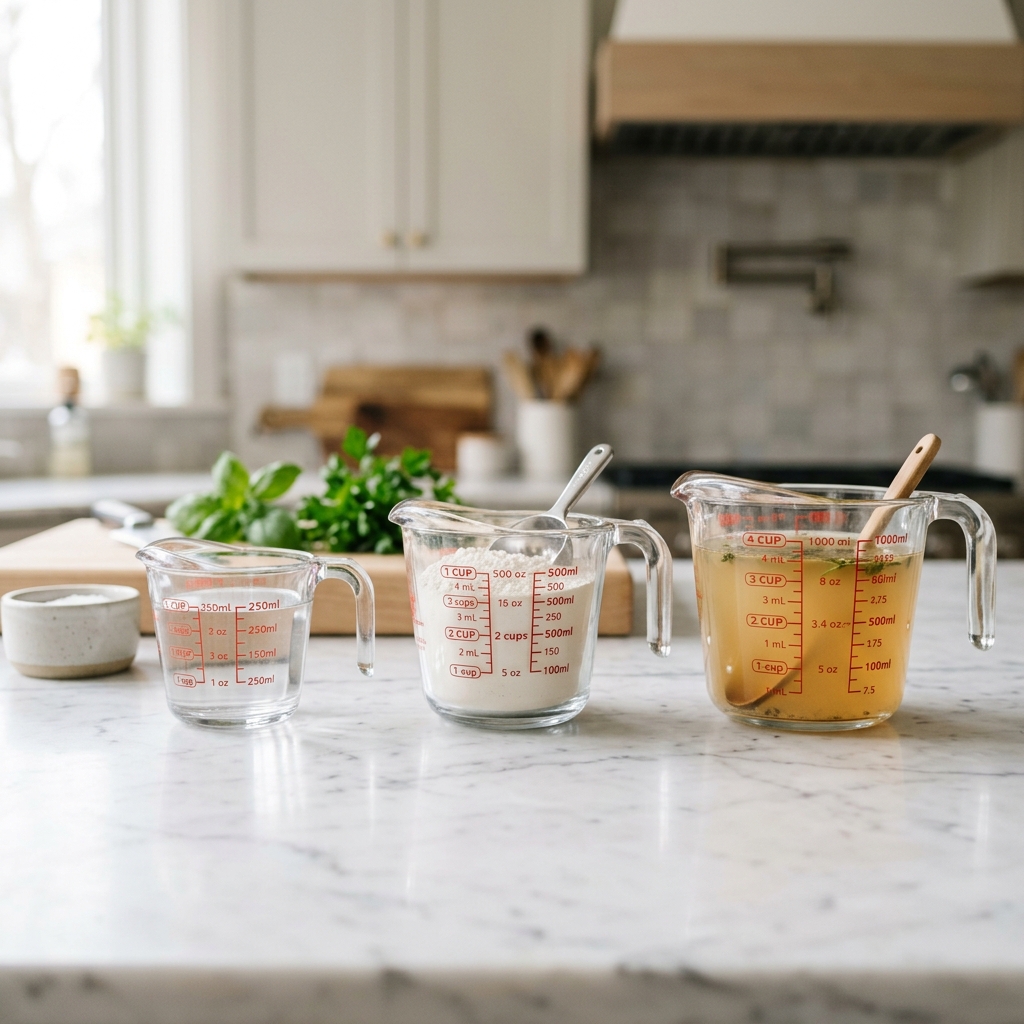
Pro Tip
Give Our Calculator a Spin
Want to skip the kitchen math? Use our free mL and Cups Converter. It lets you swap liquid volumes between US cups, metric cups, tablespoons, teaspoons, and milliliters instantly, keeping your recipe proportions exactly where they need to be.
More Cooking Tools
Keep your kitchen measurements on point with these free tools:
- mL and Cups Converter — Swap liquid volumes across different regions.
- Cups to Grams Converter — Convert cups of baking ingredients to grams.
- Unit Converter — Convert between metric and imperial units.
- Recipe Scaler — Scale recipe servings up or down.
The Bottom Line
Cups are super convenient, but their lack of standard sizes makes them a bit of a gamble when cooking across borders. When in doubt, grab a kitchen scale or run a quick conversion to grams—your cakes will thank you.
Frequently Asked Questions
Recommended Reading
How Many Grams Are in a Cup? (It's Not as Simple as You Think)
Looking for a quick way to convert cups to grams? Here is a simple, ingredient-by-ingredient guide to what one cup actually weighs in the real world.
How to Convert Any Recipe from Cups to Grams
Tired of guessing how much a cup of flour actually weighs? Here is how to convert any cup-based recipe to grams so your bakes turn out perfect every single time.
Common Kitchen Conversions: The Cheat Sheet Every Cook Needs
Tired of searching for kitchen conversions? Here is a simple guide to swap between teaspoons, tablespoons, cups, ounces, and pints without the math headache.