How to Measure Peanut Butter Accurately
Whether you're baking a batch of classic peanut butter cookies, blending a smoothie, or whipping up a savory peanut sauce, measuring peanut butter is always a sticky, messy chore.
Because nut butter is so thick and sticky, scooping it into a measuring cup traps big air bubbles. And when you try to scrape it out, a frustrating amount stays glued to the sides. Let's look at how to measure it with zero waste and zero cleanup stress.
Peanut Butter Measuring (The Quick Version)
- ›Use a digital scale (Highly Recommended): A standard cup of peanut butter weighs **258 grams** (16 grams per tablespoon). Just set your bowl on the scale and scoop it straight in.
- ›The water trick: Use a liquid measuring cup filled with water to measure the volume without dealing with sticky residue.
- ›Spray the cup: If you must use dry cups, spray the cup first with a tiny bit of cooking spray. The peanut butter will slide right out.
Convert Peanut Butter Cups to Grams
Tired of scrubbing sticky cups? Use our free Cups to Grams Converter to find the exact weight in grams for peanut, almond, or seed butters.
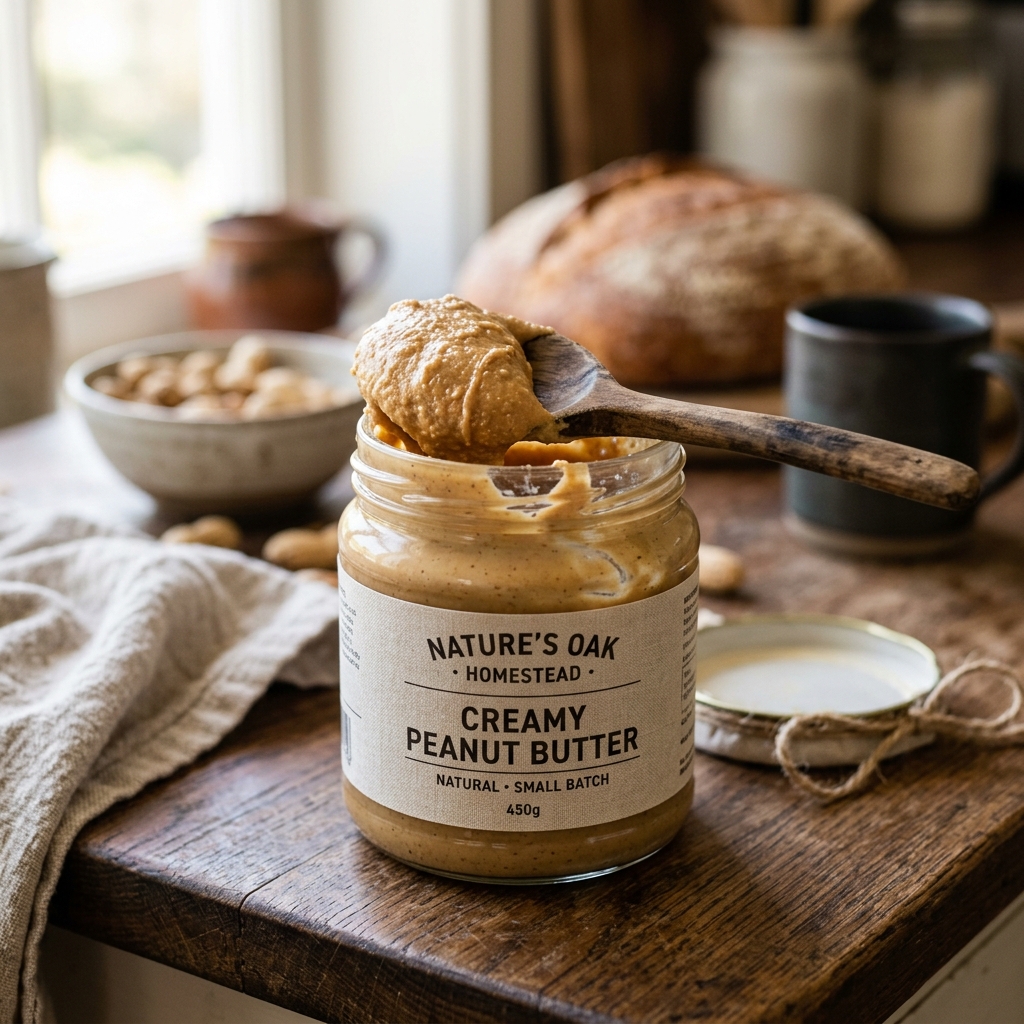
Why Precise Peanut Butter Weight Matters
Remember, peanut butter isn't just there for flavor—it's a major source of fat and structure in your bakes. A jar of creamy peanut butter is about 50% fat and 25% protein.
If your cookie recipe calls for 1 cup (258 grams) of peanut butter and you only end up adding 220 grams because of air pockets and residue left in the cup, your bake will be short on fat. The cookies will turn out dry, won't spread correctly, and will lose that rich, melt-in-your-mouth texture you want.
| Volume Sizing | Weight (Grams) | Weight (Ounces) |
|---|---|---|
| 1 Tablespoon | 16g | 0.56 oz |
| 1/4 Cup | 65g | 2.28 oz |
| 1/3 Cup | 86g | 3.03 oz |
| 1/2 Cup | 129g | 4.55 oz |
| 2/3 Cup | 172g | 6.07 oz |
| 3/4 Cup | 194g | 6.83 oz |
| 1 Cup | 258g | 9.10 oz |
Trick #1: The Water Displacement Method
This is an old-school baker's trick that works perfectly for sticky fats like shortening, lard, and peanut butter:
- Grab a liquid measuring cup (like a glass Pyrex) and fill it to the 1-cup mark with cold water.
- If you need **1/2 cup** of peanut butter, start spooning it into the water until the water level rises to exactly **1 1/2 cups**. Just make sure it stays under the water.
- Pour off the water while holding the peanut butter back with a spoon. You're left with exactly half a cup of peanut butter, and no sticky cup to clean.
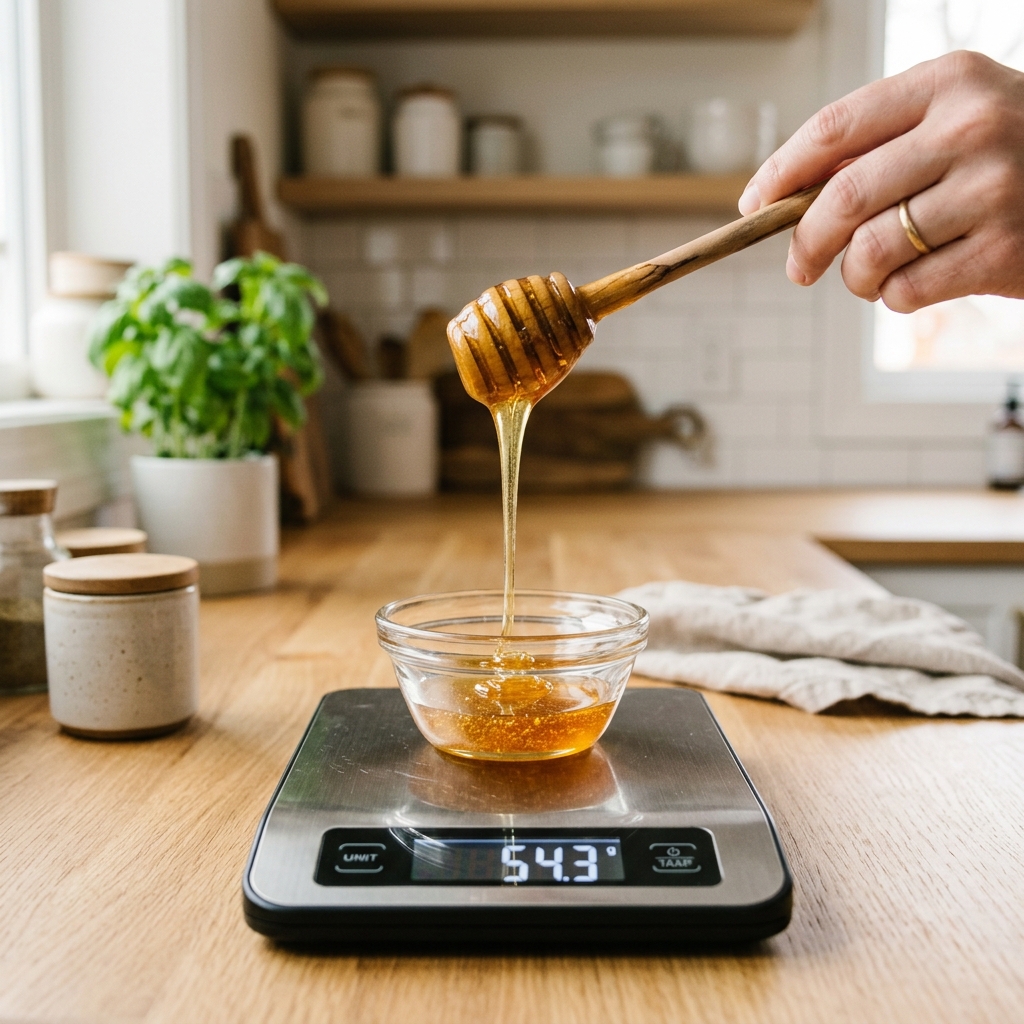
Trick #2: The Digital Scale (The Chef's Way)
Displacement is fun, but it does leave your peanut butter a bit wet. Honestly, using a scale is much better.
Set your mixing bowl straight on the scale, hit **Tare** to zero it out, and scoop peanut butter directly from the jar until you hit the right weight (like 129 grams for a half-cup). It takes seconds, leaves no waste, and the only thing you have to wash is a single spoon.
Ingredient Note
Let Us Do the Math
Measure your nut butter without the mess.
Our free Cups to Grams Converter converts nut and seed butters to exact weights so you can scoop them straight onto your scale.
Related Measurement Tools
Keep your conversions simple with these handy tools:
- Cups to Grams Converter — Switch cups of peanut butter to scale weight.
- Ounces Converter — Convert peanut butter ounces to grams.
- Unit Converter — Switch between metric and imperial measurements.
- Grams to Cups Converter — Convert weights back to volume cups.
Wrap Up
Nut butters are thick, sticky, and make a massive difference in how your cookies bake. Ditch the measuring cups and weigh your peanut butter in grams. It keeps your cookies tender, saves time, and spares you from scrubbing sticky cups.
Frequently Asked Questions
Recommended Reading
How to Measure Flour Correctly: Spoon & Level vs. Scoop & Sweep
The way you scoop flour can alter your baking by 30%. Learn why the spoon-and-level method is your best bet when you don't have a scale.
Butter Measurements Explained: Sticks, Cups, Grams and Tablespoons
How much is a stick of butter? We break down the math for sticks, cups, grams, tablespoons, and ounces, plus look at European vs. American butter.
Almond Flour vs. All-Purpose Flour: Can You Substitute Them 1:1?
Thinking of swapping all-purpose flour for almond flour? It's not a simple 1:1 trade. Here's how to adjust your recipe with the right ratio, extra eggs, and temp settings for baking success.