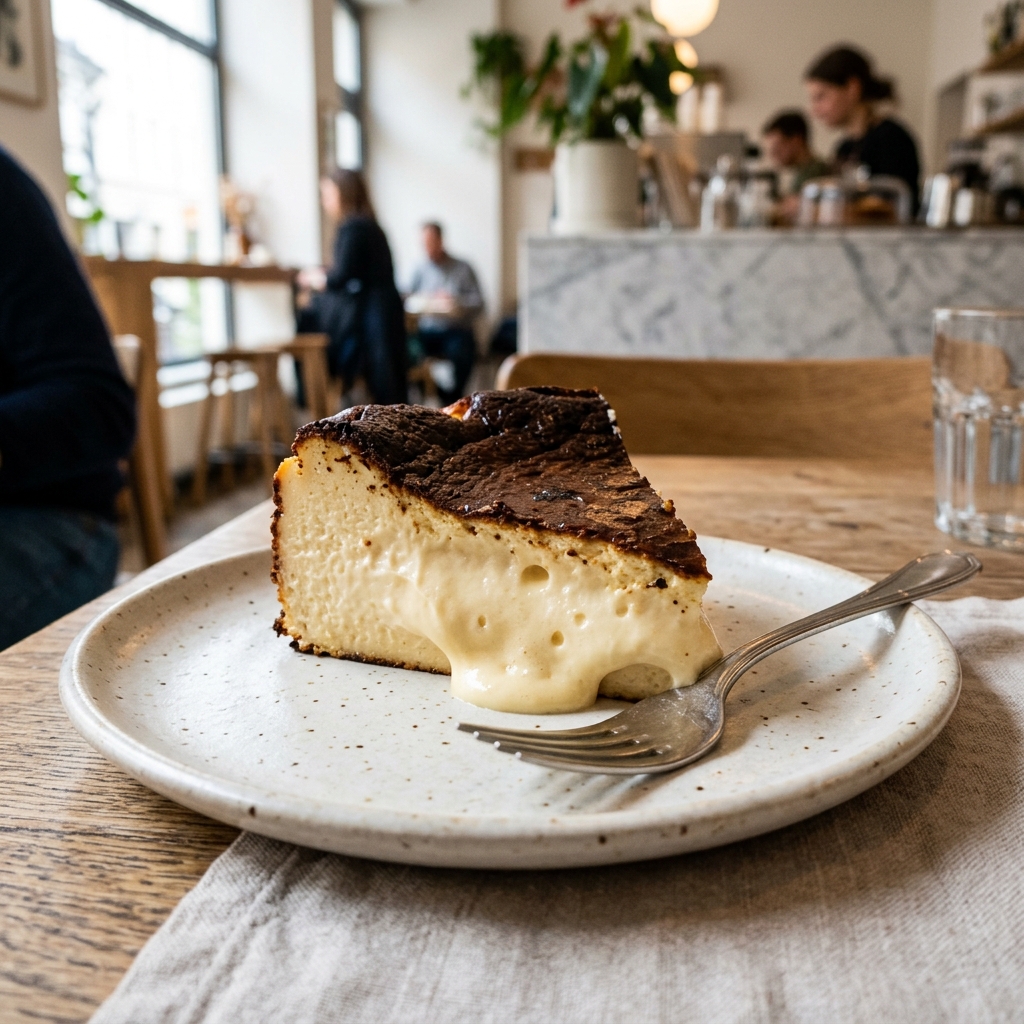
San Sebastian Basque Cheesecake
A tender, even crumb with a light, airy texture and a domed top that springs back when touched. This recipe focuses on proper creaming technique and ingredient temperature so your cakes rise consistently.
Before You Start
- 1Read through the entire recipe before starting to make sure you have all ingredients and equipment ready.
Ingredients
Ensure it is completely soft to prevent lumps in the batter.
Provides the custard lift and structure.
Delivers that ultra-creamy, melt-in-your-mouth texture.
A tiny amount helps stabilize the batter without making it cakey.
Step-by-Step Instructions
Prep the Springform Pan
Preheat the oven to 400°F (204°C). Butter a 9-inch springform pan, then line it with two overlapping sheets of parchment paper, ensuring the paper extends 2 inches above the rim of the pan.
The texture should be rough and shaggy — that's the goal.
Beat Cream Cheese and Sugar
In a stand mixer fitted with the paddle attachment, beat the 680g of cream cheese and 200g of sugar on medium speed for 3-4 minutes until smooth, glossy, and sugar is fully dissolved.
It's normal for the texture to feel different than expected. Every kitchen environment is unique.
Incorporate Eggs One by One
Add the 4 eggs one at a time, mixing on low speed until fully incorporated. Scrape down the sides of the bowl between each addition.
This is the point where patience matters most. Resist the urge to rush.
The texture shifts from shaggy to smooth. That's the gluten developing.
Wet hands work better than dry flour when things get sticky.
Sift Flour and Add Heavy Cream
Whisk the 15g of flour into the heavy cream until smooth. Pour this mixture into the batter on low speed, mixing just until combined.
The dough should feel noticeably smoother and more elastic.
Wet hands work better than dry flour when things get sticky.
Bake at High Temperature
Pour the batter into the prepared pan. Bake at 400°F (204°C) for 25 to 30 minutes.
This is where most people think something went wrong — trust the process, it hasn't.
The surface should be deeply browned — mahogany, not pale.
Cool and Set
Let the cheesecake cool completely in the pan on a wire rack. The tall dome will fall, forming a dense center. Rest at room temp for 3 hours before serving.
You should see golden-brown exterior all around. The aroma should be rich.
How to Know It's Done
- A toothpick inserted in the center comes out with a few moist crumbs, not wet batter.
- The edges have pulled away slightly from the pan.
- The top springs back when lightly pressed with a finger.
- When in doubt, use an instant-read thermometer. It is the most reliable way to check doneness.
Nutritional Profile
Macros listed below scale dynamically based on the serving size selected in the recipe card.
Kitchen Timer
Quick Facts
Need to scale or convert sizes?
This recipe links with our specialized calculators. Use them to calibrate oven dials, adjust brine salinity percentages, or scale baking pans.
Try the Baking Pan Size ConverterTechnique Notes
- Use our baking pan size converter if baking in an 8-inch or 10-inch springform pan to adjust quantities.
- Check your oven calibration with a thermometer; if the heat is too low, the cheesecake will bake through before the top browns.
- Do not substitute low-fat cream cheese or light cream; the fat content is what gives the recipe its signature texture.
Common Mistakes to Avoid
- Not reading the recipe through before starting. A quick scan saves you from mid-cooking surprises.
Troubleshooting FAQ
You May Also Like
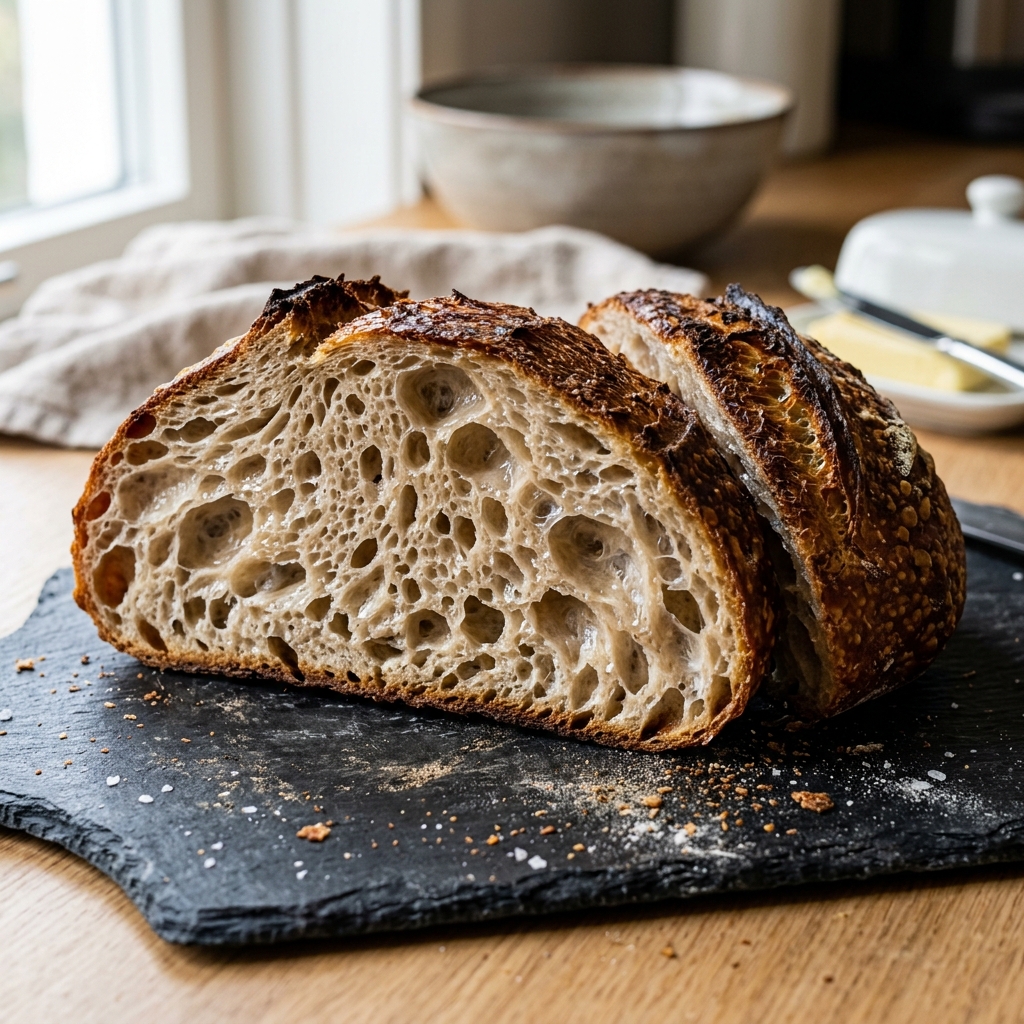
High-Hydration Sourdough Bread
A deep-brown, blistered crust that cracks when you squeeze it, and an open, irregular crumb that catches the light. This method uses an overnight cold retard and a Dutch oven to trap steam, so you get bakery-level rise and tang without a steam-injected oven.
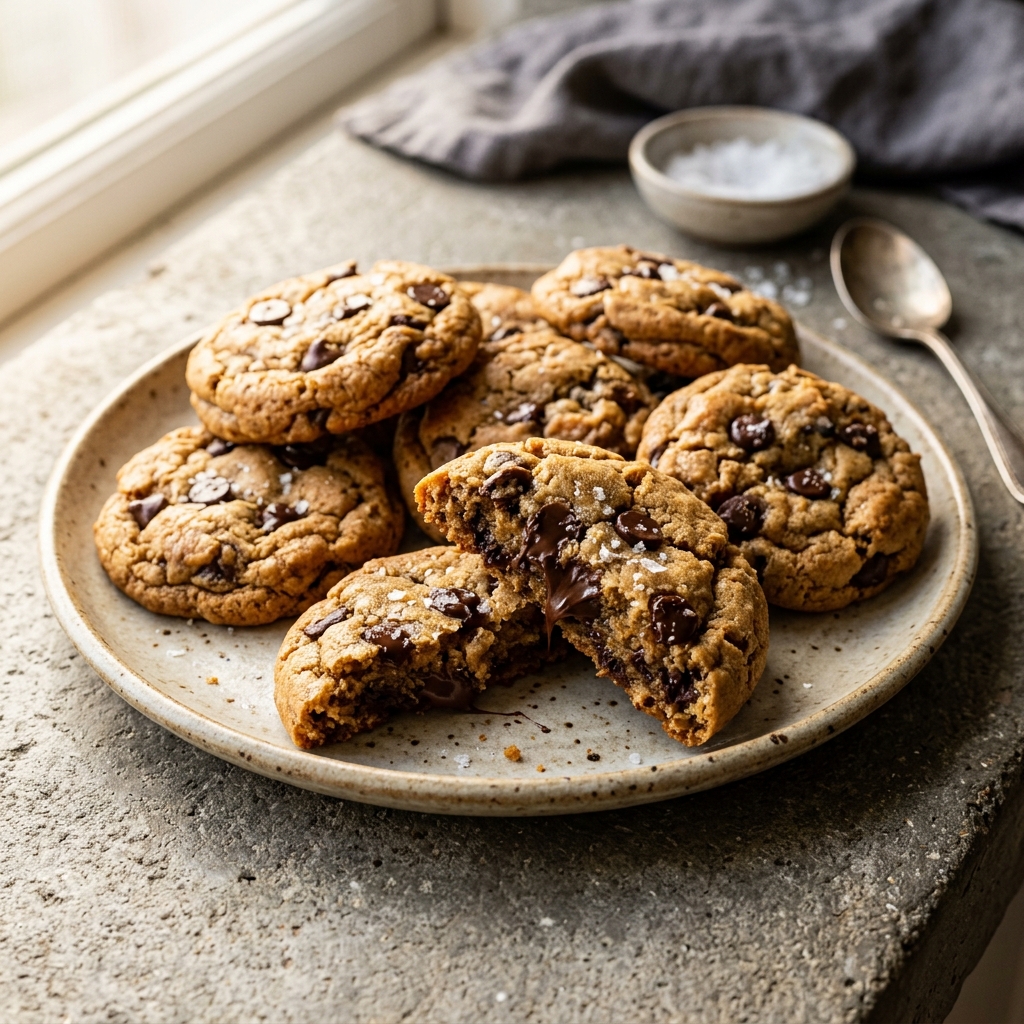
Chewy Keto Chocolate Chip Cookies
Golden edges, soft centers, and a texture that actually holds together — this keto-friendly version skips the usual gummy pitfalls. Made with almond flour and a precise balance of sweeteners, these are drop cookies that taste like the real thing.
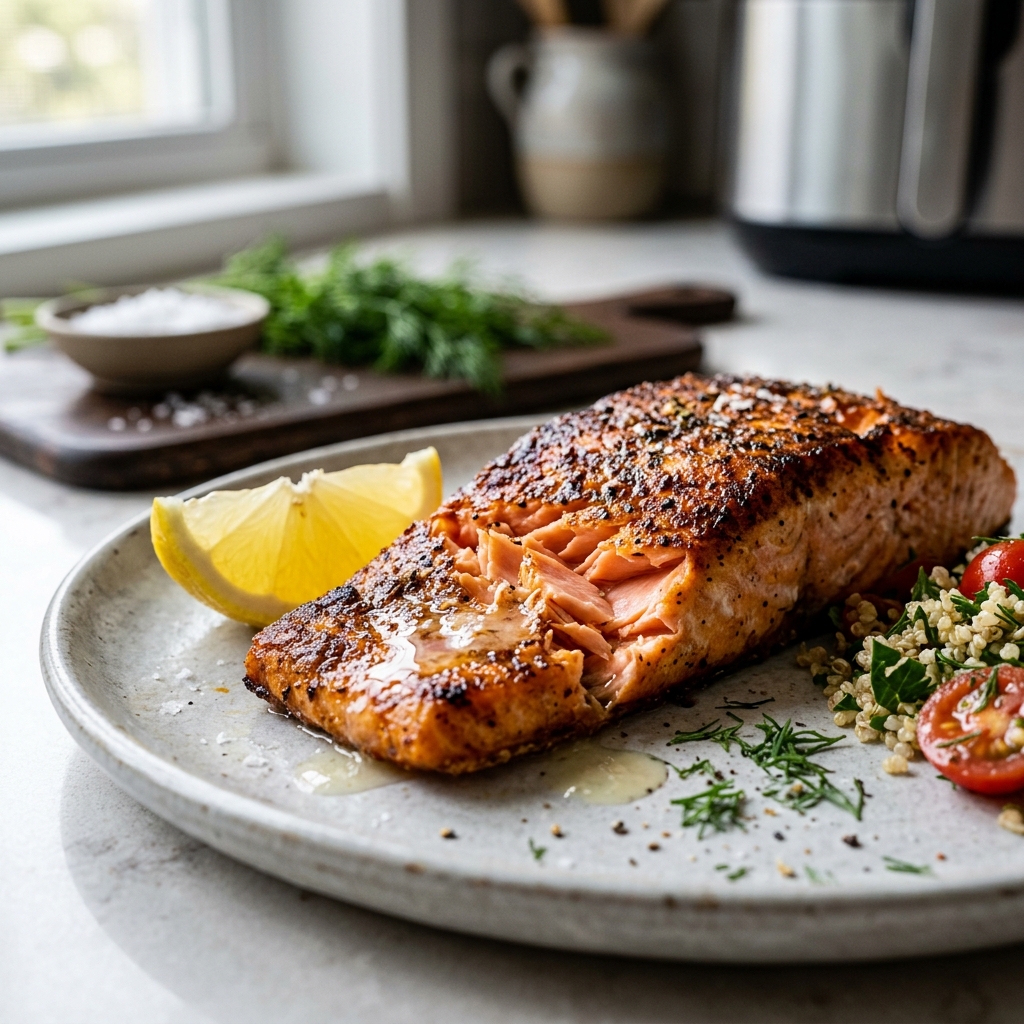
Perfect Air Fryer Salmon
Crispy-edged, flaky-centered salmon straight from the air fryer in under 12 minutes. No flipping halfway, no oil splatter — just a garlic-and-paprika crust that seals in the moisture.
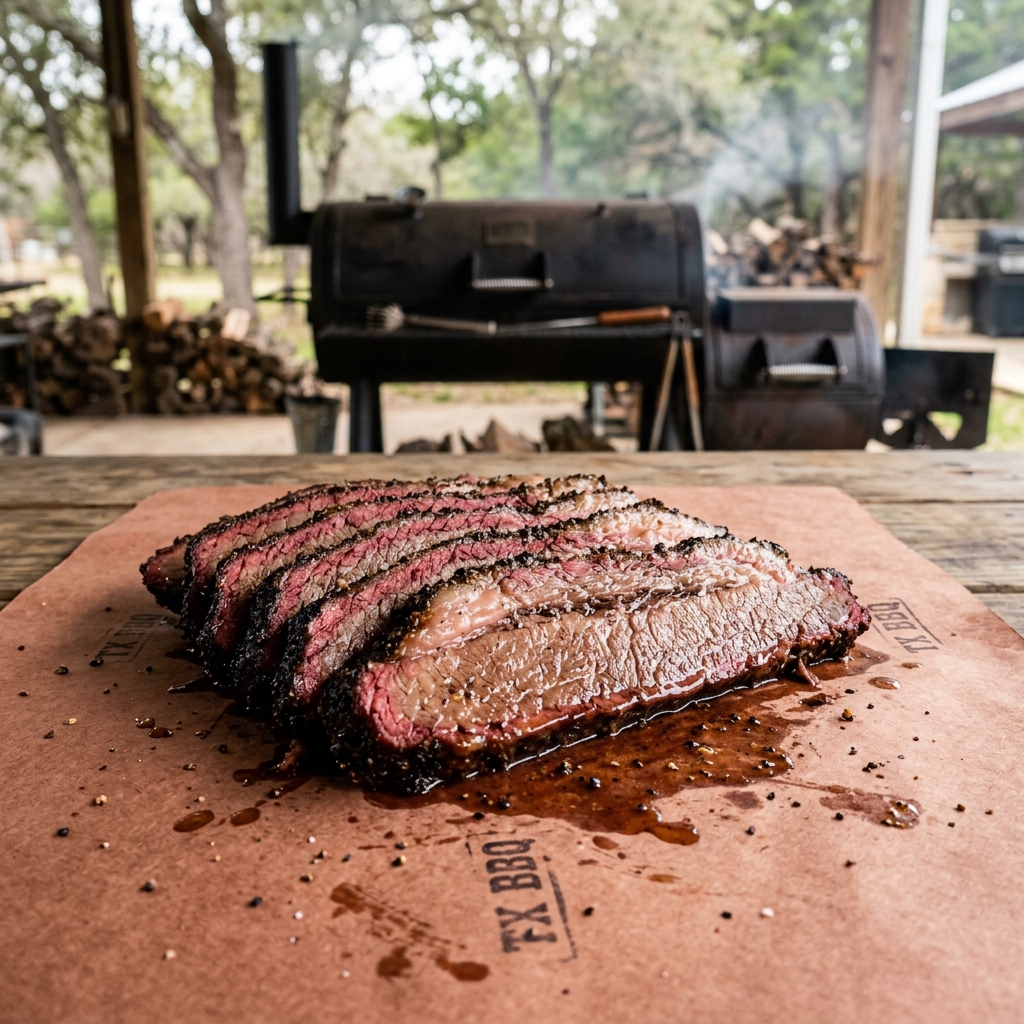
Texas-Style Smoked Brisket
A thick black bark, a deep pink smoke ring, and meat that pulls apart with zero resistance. This Texas-style method uses an overnight dry brine and a paper wrap to power through the stall, giving you competition-level brisket at home.
Tools For This Recipe
Use our precision calculators to adjust servings, convert measurements, and check doneness.
Finished Cooking?
Keep exploring — there is always more to discover in the kitchen.