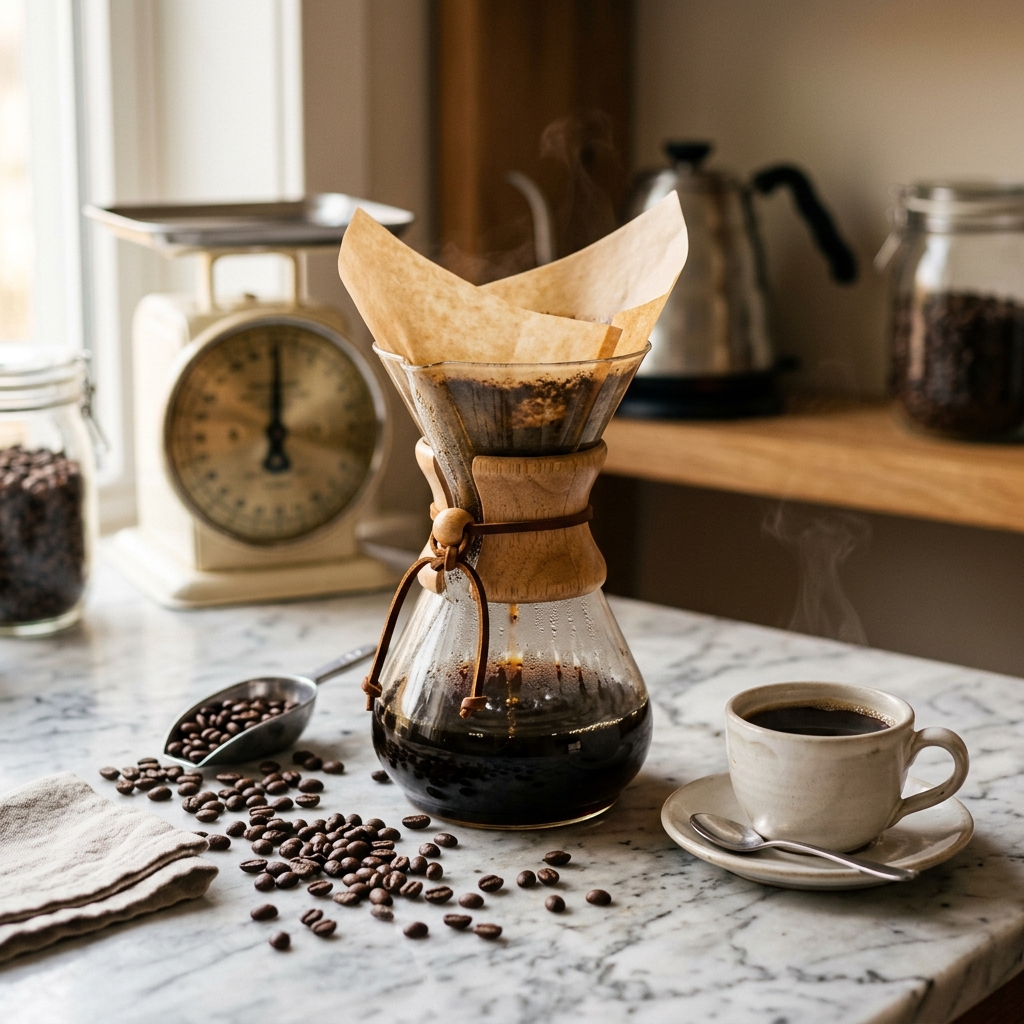
Perfect Pour-Over Coffee
A clean, bright cup with a balanced extraction that highlights the bean's natural flavor notes. This pour-over method focuses on water temperature, bloom time, and pour technique to eliminate bitterness and sourness.
Before You Start
- 1Use filtered water. Tap water minerals and chlorine affect extraction.
- 2Read through the entire recipe before starting to make sure you have all ingredients and equipment ready.
Ingredients
Grind right before brewing to preserve volatile aromas.
We use a precise 1:16 ratio for a clean, balanced cup.
Step-by-Step Instructions
Rinse the Paper Filter
Place the paper filter in your pour-over dripper (like a V60 or Chemex) and set it over your mug or carafe. Pour hot water over the filter to wet it completely, then discard the rinse water from the vessel.
Rinsing removes the papery taste from the filter and preheats your brewing equipment, preventing coffee temperature loss.
Add Coffee and Tare Scale
Add the 20g of freshly ground coffee to the filter. Shake gently to level the bed, place the entire setup on your digital kitchen scale, and tare (zero) the scale.
Weighing allows you to control the exact ratio of coffee to water. Volumetric measurements (like tablespoons) fluctuate based on coffee roast level and bean size.
The Bloom Phase (First Pour)
You'll find a rhythm quickly. Start your timer. Pour 50g of hot water (200°F) over the coffee bed in a circular motion, ensuring all grounds are wet. Let it sit and bubble for 45 seconds.
Don't worry if it doesn't look perfect yet. The final shape comes in the next step.
The mass should be more cohesive — it'll pull away from the bowl cleanly.
If loose or slack, a few more folds will tighten it up.
The Main Pour Stages
At 45 seconds, pour water in slow, concentric circles from the center outward (avoiding the filter paper walls) until the scale reads 180g. Let the water level drop slightly, then pour in stages up to the target weight of 320g.
The dough should feel noticeably smoother and more elastic.
Drawdown and Serve
Give the dripper a gentle swirl to wash down any grounds stuck to the filter walls. Let the water drain completely through the bed (total brew time should be around 3:00 to 3:30). Remove the filter and enjoy.
A flat, level coffee bed after draining indicates even water flow and a perfect extraction.
If the dish seems dry, a splash of broth or butter can bring it back.
How to Know It's Done
- Internal temperature reaches your target doneness (see table above).
- A thermometer probe slides in with little resistance.
- The surface has a deep brown crust, not gray.
- When in doubt, use an instant-read thermometer. It is the most reliable way to check doneness.
Nutritional Profile
Macros listed below scale dynamically based on the serving size selected in the recipe card.
Kitchen Timer
Quick Facts
Need to scale or convert sizes?
This recipe links with our specialized calculators. Use them to calibrate oven dials, adjust brine salinity percentages, or scale baking pans.
Try the Coffee Ratio CalculatorTechnique Notes
- Use our coffee ratio calculator to adjust weights if brewing for more servings or switching to a stronger 1:15 ratio.
- Water quality is critical; use filtered water to prevent tap minerals from masking delicate coffee flavors.
- If the water drains too slowly (over 4 minutes), coarsen your grind size; if it drains too fast (under 2.5 minutes), make it finer.
Common Mistakes to Avoid
- Using water that is too hot. Boiling water extracts bitter compounds. Aim for 200°F (93°C).
Troubleshooting FAQ
You May Also Like
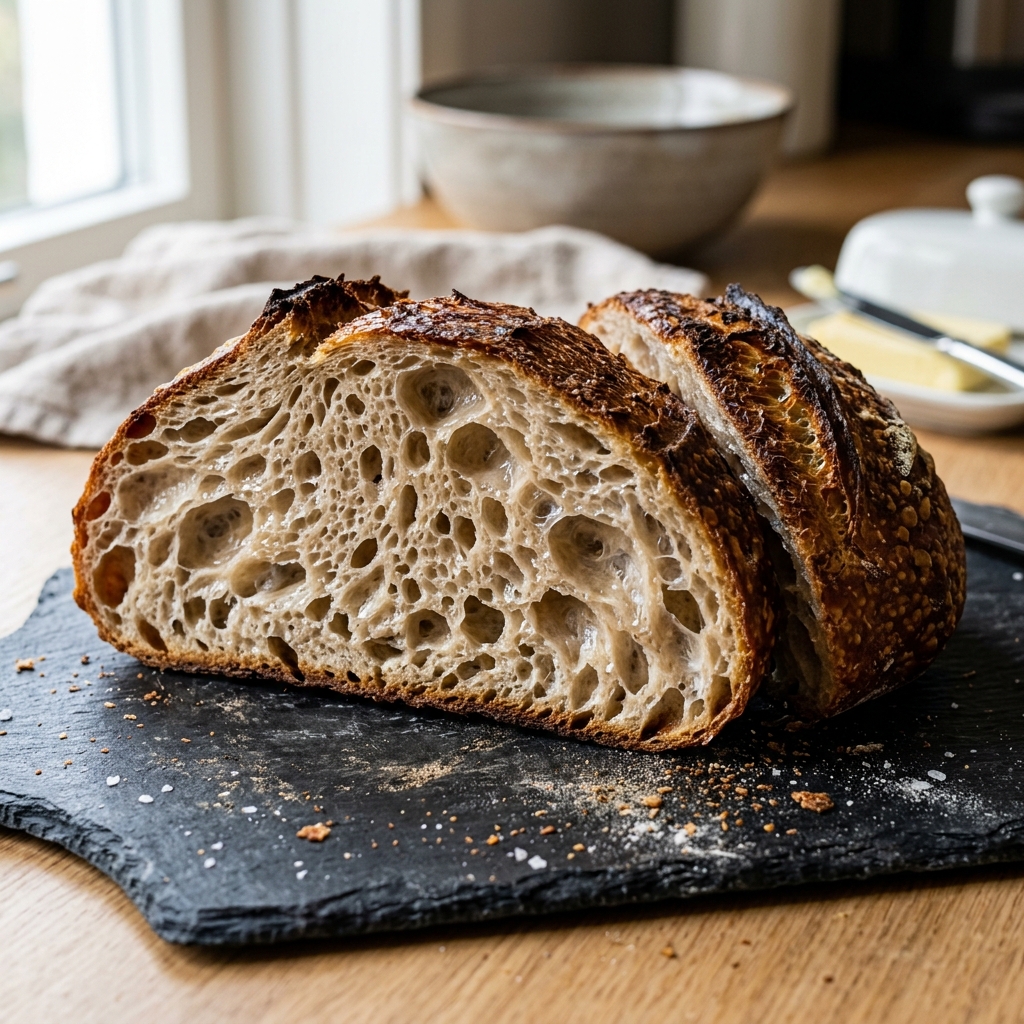
High-Hydration Sourdough Bread
A deep-brown, blistered crust that cracks when you squeeze it, and an open, irregular crumb that catches the light. This method uses an overnight cold retard and a Dutch oven to trap steam, so you get bakery-level rise and tang without a steam-injected oven.
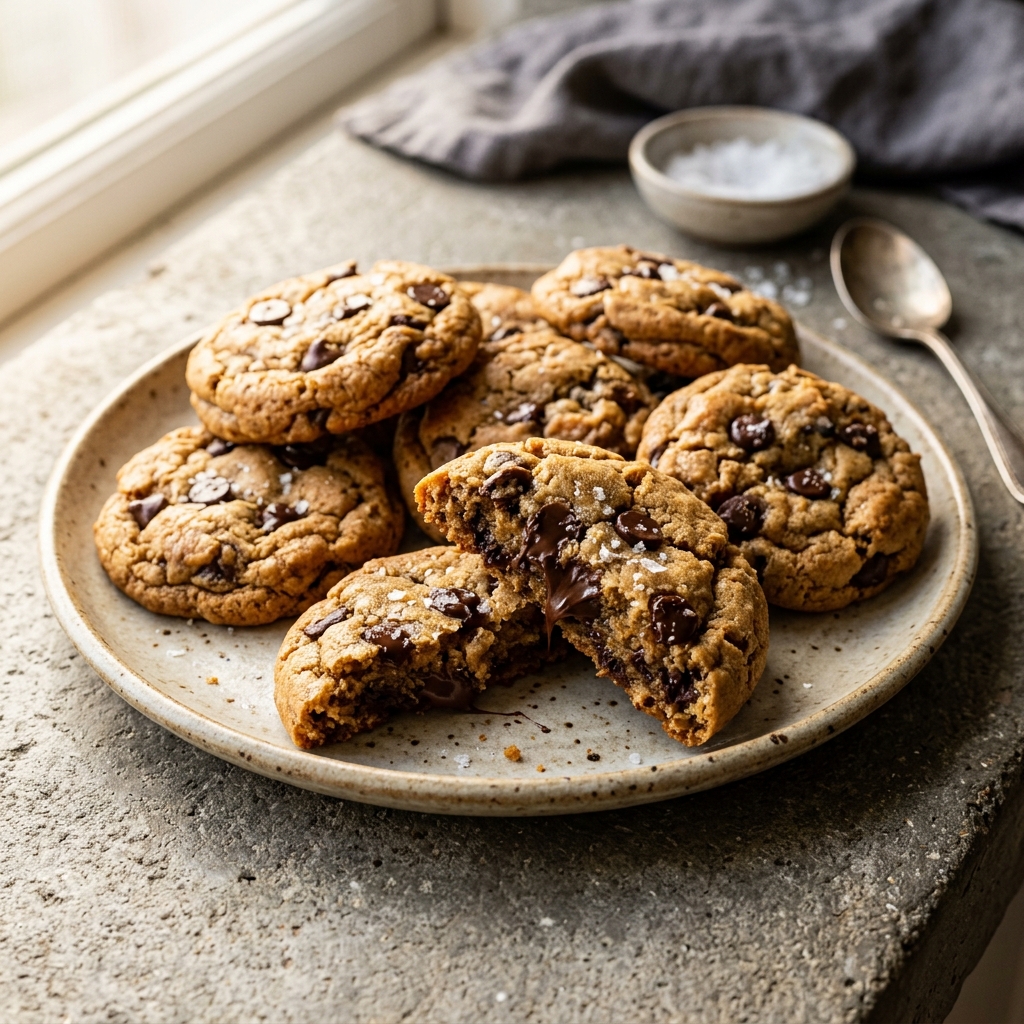
Chewy Keto Chocolate Chip Cookies
Golden edges, soft centers, and a texture that actually holds together — this keto-friendly version skips the usual gummy pitfalls. Made with almond flour and a precise balance of sweeteners, these are drop cookies that taste like the real thing.
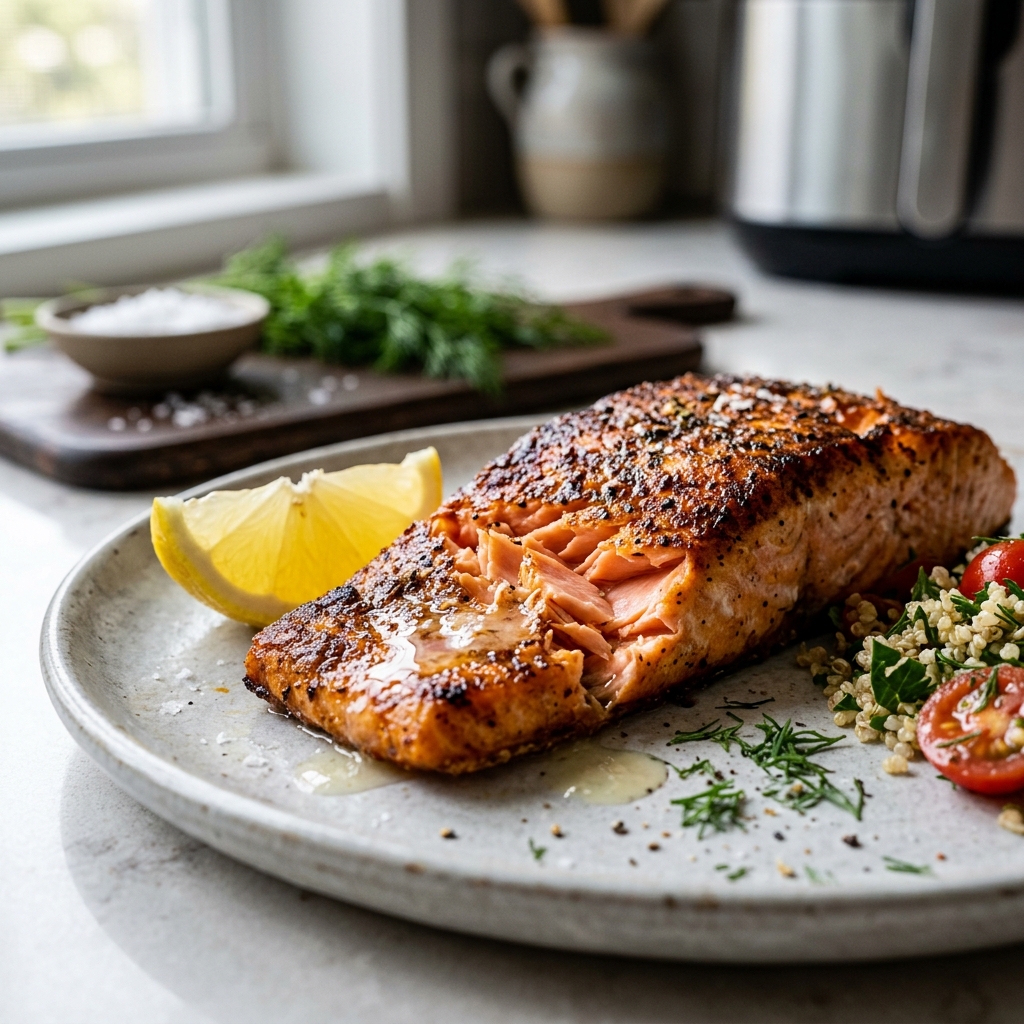
Perfect Air Fryer Salmon
Crispy-edged, flaky-centered salmon straight from the air fryer in under 12 minutes. No flipping halfway, no oil splatter — just a garlic-and-paprika crust that seals in the moisture.
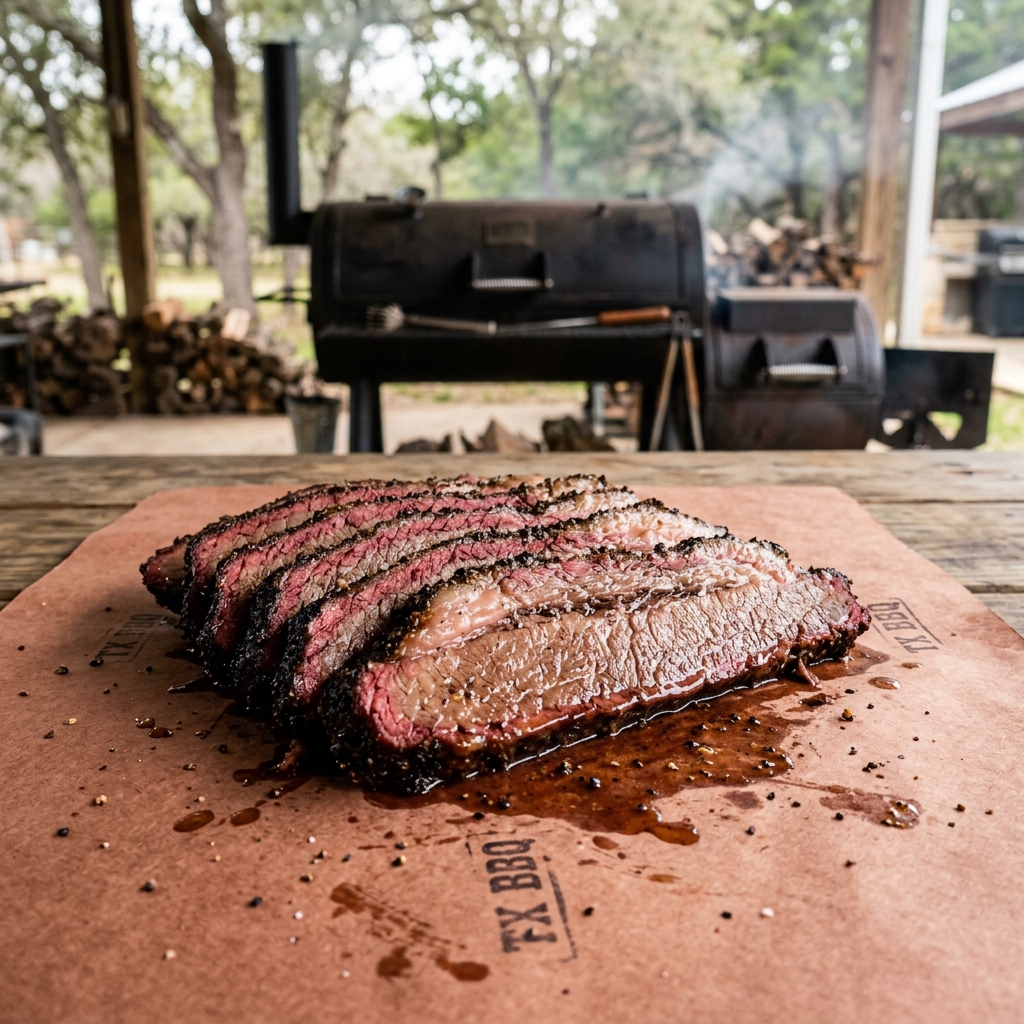
Texas-Style Smoked Brisket
A thick black bark, a deep pink smoke ring, and meat that pulls apart with zero resistance. This Texas-style method uses an overnight dry brine and a paper wrap to power through the stall, giving you competition-level brisket at home.
Tools For This Recipe
Use our precision calculators to adjust servings, convert measurements, and check doneness.
Finished Cooking?
Keep exploring — there is always more to discover in the kitchen.