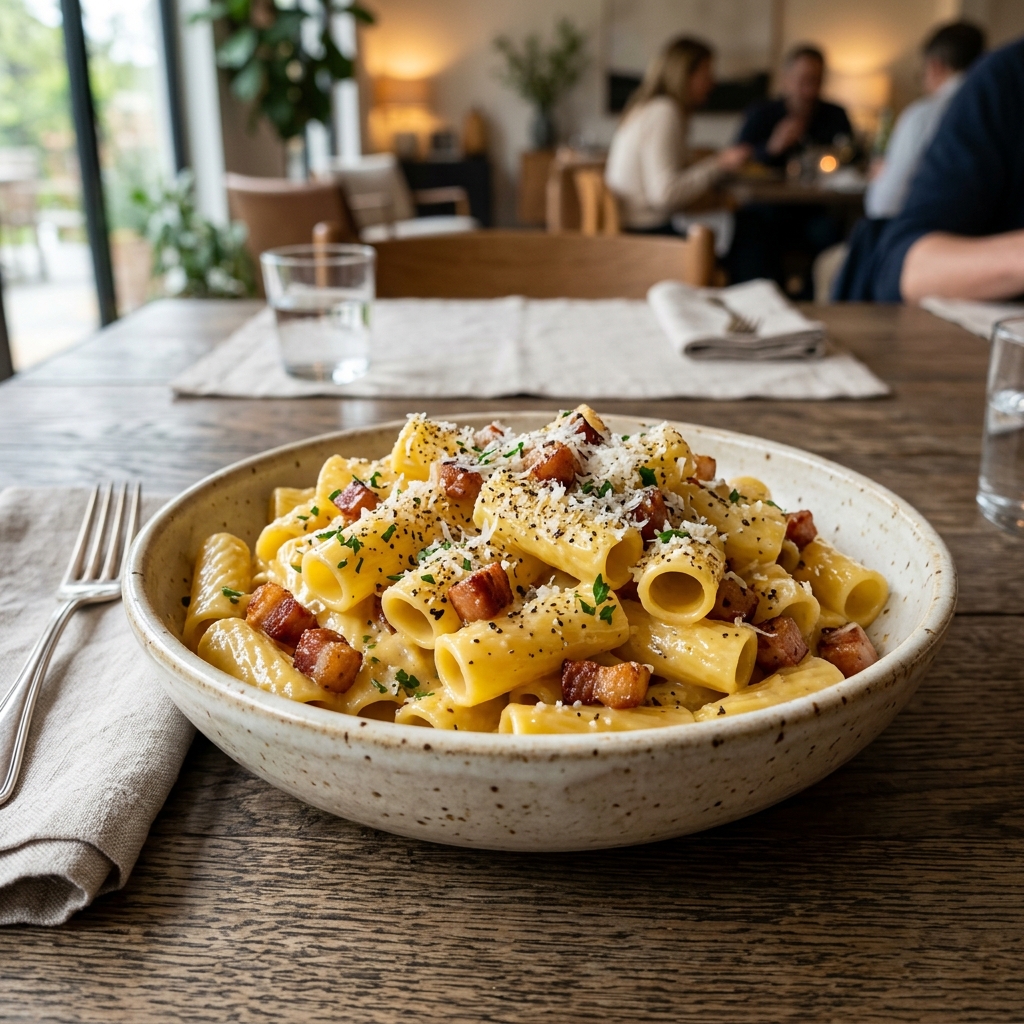
Crowd-Size Pasta Carbonara
Perfectly cooked noodles with just the right bite, coated in a silky, well-emulsified sauce. This recipe focuses on technique: salting the water aggressively, reserving starch water, and finishing the pasta in the sauce for maximum flavor.
Before You Start
- 1Read through the entire recipe before starting to make sure you have all ingredients and equipment ready.
Ingredients
Rigatoni is easier to toss and serve for large groups than long noodles.
Render slowly to build the fat base for the sauce.
We use egg yolks exclusively (no whites) to get a rich, stable emulsion.
Grate finely using a microplane so it melts easily.
Toast in the pan to release aromatic piperine.
Step-by-Step Instructions
Render the Guanciale
In a large skillet, cook the 300g of diced guanciale over medium-low heat until the fat renders completely and the meat becomes crispy and golden brown (about 8-10 minutes). Remove meat with a slotted spoon, leaving the rendered fat in the pan.
The most common mistake is not reading through the whole recipe first.
Whisk the Egg and Cheese Base
This is more about feel than precision. Trust your hands.
It might look a bit uneven right now, but that's completely normal at this stage.
The texture shifts from shaggy to smooth. That's the gluten developing.
Boil the Pasta Precision
Cook the 800g of pasta in a large pot of salted water. Boil until 2 minutes shy of al dente. Reserve 2 cups of starchy pasta cooking water before draining.
You should see bubbles around the edges. That's the liquid reducing.
Combine and Emulsify
Add the hot drained pasta directly into the large skillet with the remaining guanciale fat over low heat. Pour in 1/2 cup of the hot pasta water and toss to coat.
Rushing is the most common mistake here. Extra minutes now save trouble later.
Add Egg Paste and Toss Rapidly
Remove the skillet from the heat source completely. Pour the egg-cheese paste over the pasta and toss vigorously, adding splash after splash of the reserved pasta water, until a thick, shiny sauce coats every noodle. Stir in the crispy guanciale.
You should see golden-brown exterior all around. The aroma should be rich.
If the dish seems dry, a splash of broth or butter can bring it back.
How to Know It's Done
- Noodles are tender but still have a slight resistance when bitten (al dente).
- For baked pasta, the top is golden and bubbling, and the center is hot throughout.
- When in doubt, use an instant-read thermometer. It is the most reliable way to check doneness.
Nutritional Profile
Macros listed below scale dynamically based on the serving size selected in the recipe card.
Kitchen Timer
Quick Facts
Need to scale or convert sizes?
This recipe links with our specialized calculators. Use them to calibrate oven dials, adjust brine salinity percentages, or scale baking pans.
Try the Servings CalculatorTechnique Notes
- Traditional carbonara has no cream; the creamy texture comes entirely from the cheese-egg-starch water emulsion.
- Grate the cheese very fine; coarse cheese will clump and string instead of melting smoothly.
- Use our servings calculator to scale down if cooking for 2 or 4 people.
Common Mistakes to Avoid
- Undersalting the pasta water. The water should taste noticeably salty — this is the only chance to season the pasta from within.
Troubleshooting FAQ
You May Also Like
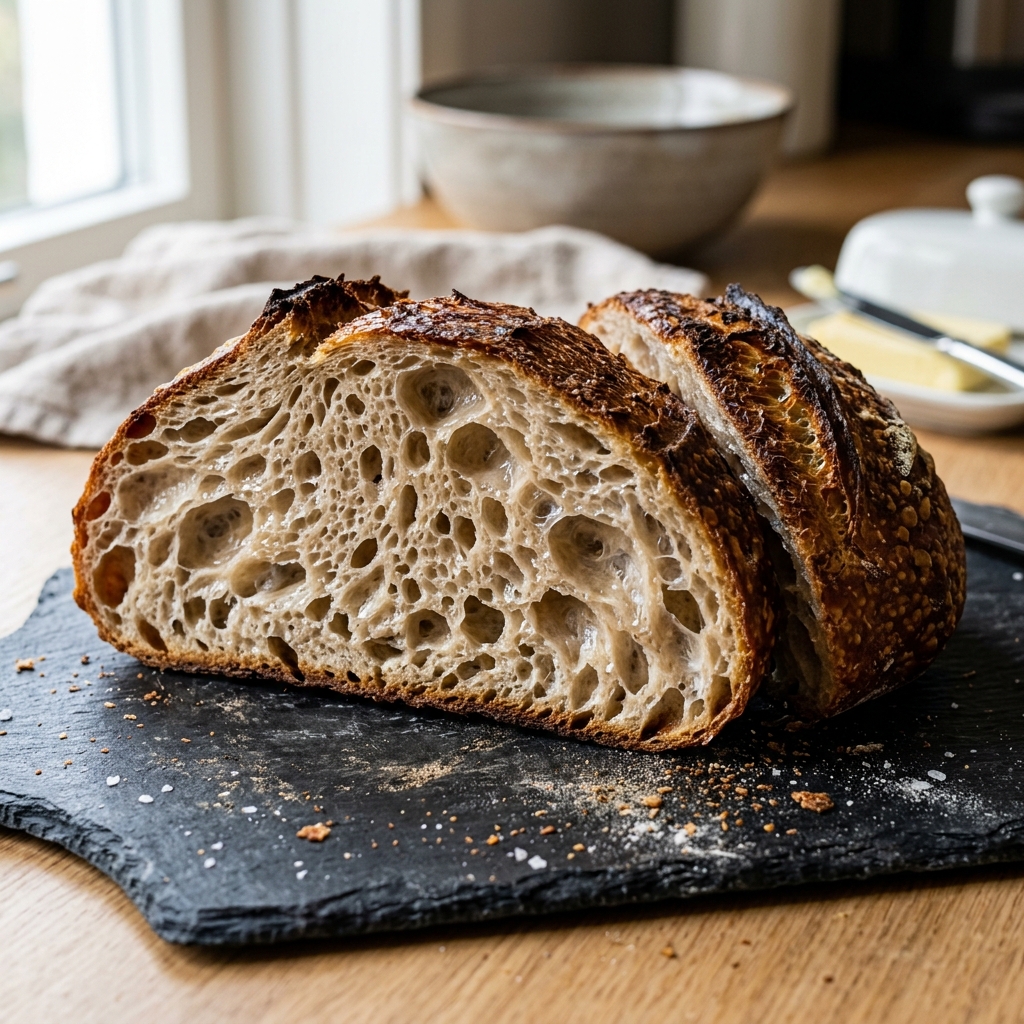
High-Hydration Sourdough Bread
A deep-brown, blistered crust that cracks when you squeeze it, and an open, irregular crumb that catches the light. This method uses an overnight cold retard and a Dutch oven to trap steam, so you get bakery-level rise and tang without a steam-injected oven.
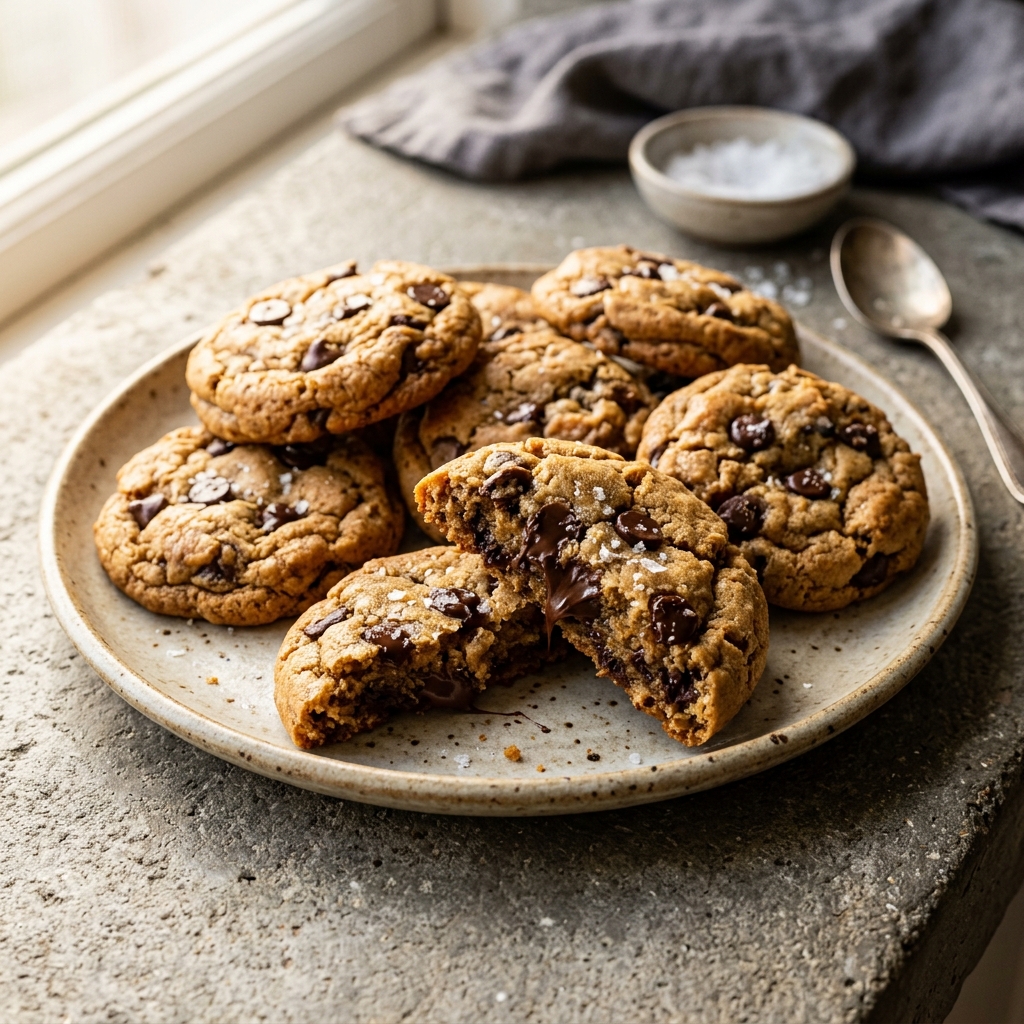
Chewy Keto Chocolate Chip Cookies
Golden edges, soft centers, and a texture that actually holds together — this keto-friendly version skips the usual gummy pitfalls. Made with almond flour and a precise balance of sweeteners, these are drop cookies that taste like the real thing.
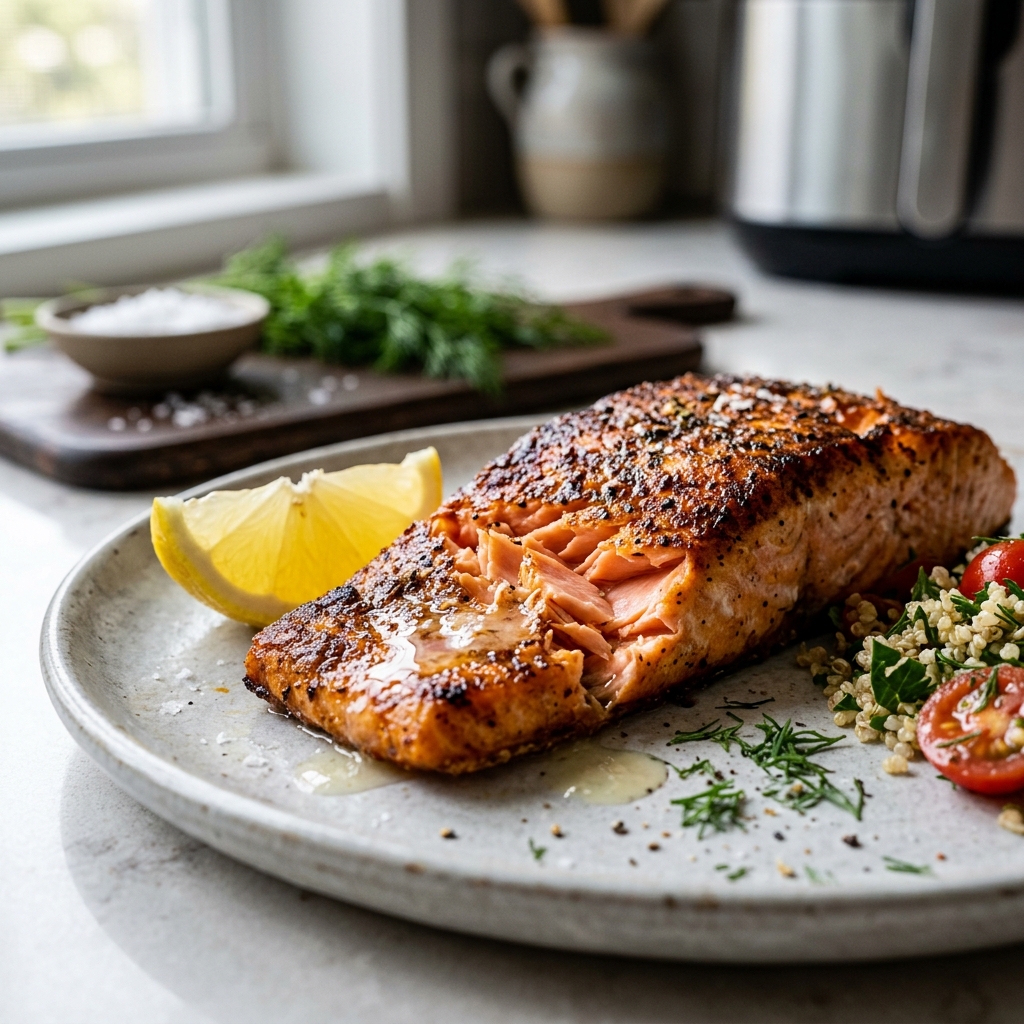
Perfect Air Fryer Salmon
Crispy-edged, flaky-centered salmon straight from the air fryer in under 12 minutes. No flipping halfway, no oil splatter — just a garlic-and-paprika crust that seals in the moisture.
Texas-Style Smoked Brisket
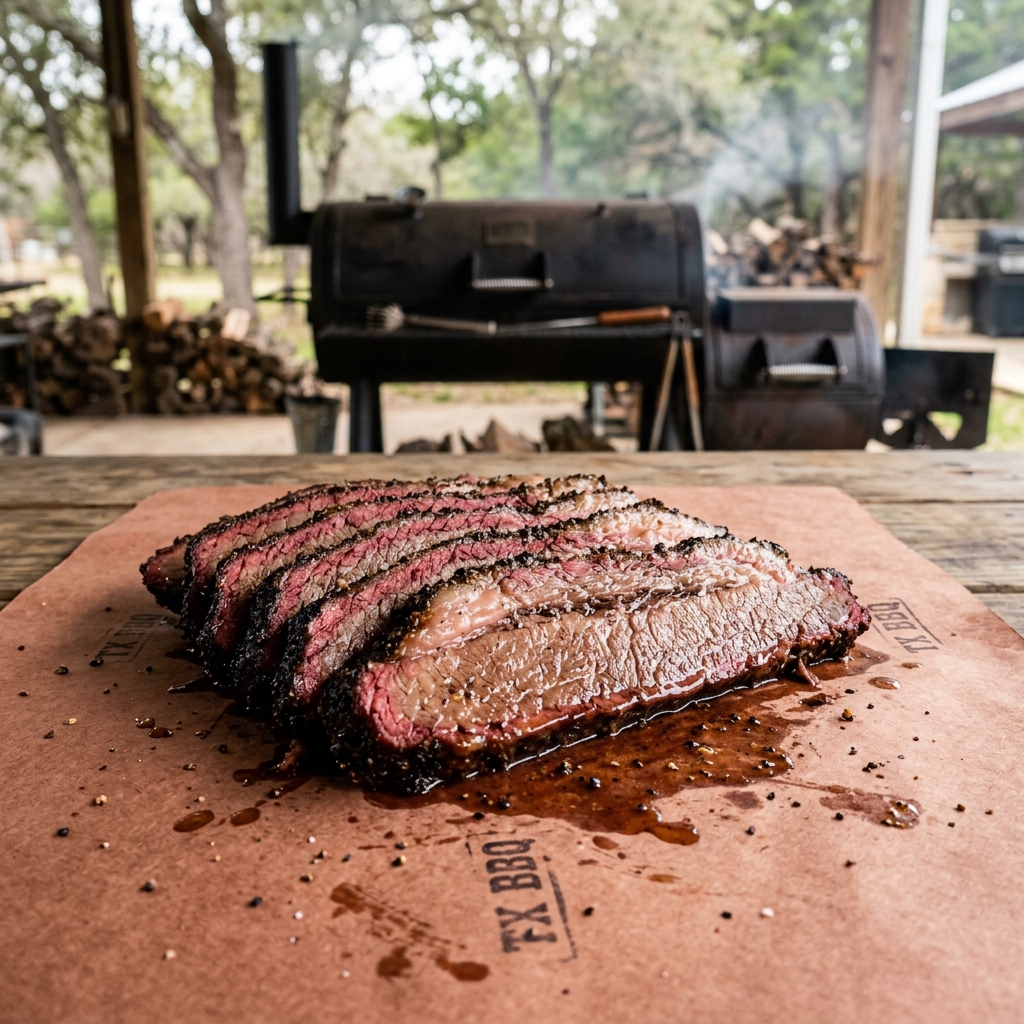
A thick black bark, a deep pink smoke ring, and meat that pulls apart with zero resistance. This Texas-style method uses an overnight dry brine and a paper wrap to power through the stall, giving you competition-level brisket at home.
Tools For This Recipe
Use our precision calculators to adjust servings, convert measurements, and check doneness.
Finished Cooking?
Keep exploring — there is always more to discover in the kitchen.