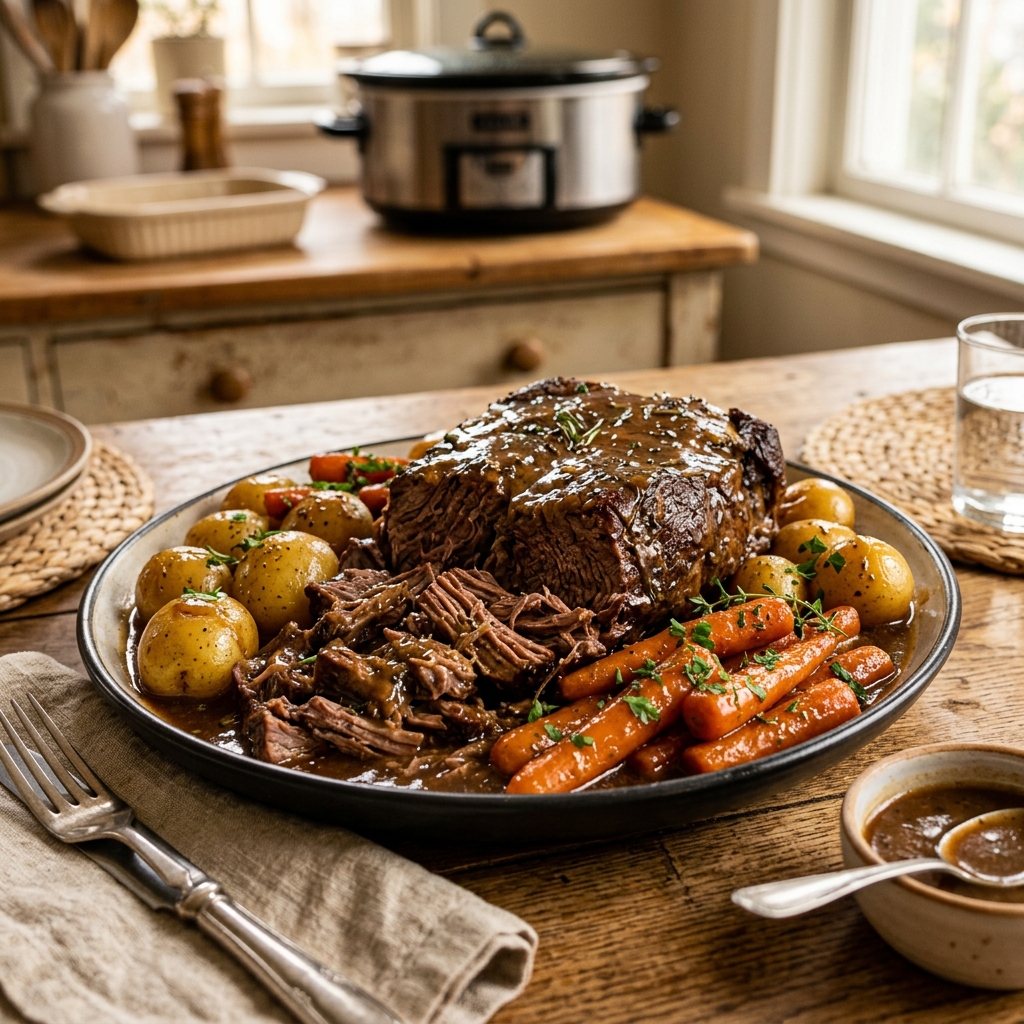
Classic Slow Cooker Beef Pot Roast
Caramelized edges, tender centers, and deep, concentrated flavor. High heat roasting transforms vegetables by caramelizing natural sugars and creating complex savory notes through browning.
Before You Start
- 1Read through the entire recipe before starting to make sure you have all ingredients and equipment ready.
Ingredients
Chuck roast is ideal because the connective tissue melts during slow cooking.
Helps sear the meat without smoking up the kitchen.
Thick cuts prevent the vegetables from turning mushy.
Yukon Golds hold their shape better than Russets in a slow cooker.
Adds a sweet, savory base flavor.
Forms the liquid base for the cooking process.
Adds an extra layer of savory umami.
Step-by-Step Instructions
Sear the Beef Thoroughly
Pat the chuck roast completely dry and season generously with salt and black pepper. Heat the cooking oil in a large skillet over medium-high heat. Sear the beef for 4-5 minutes per side until a deep, brown crust forms.
If loose or slack, a few more folds will tighten it up.
Layer the Vegetables
Place the cut potatoes, carrots, and onions in the bottom of your slow cooker. You'll feel the texture changing — that's exactly right. The vegetables act as a natural rack to support the beef.
Placing root vegetables at the bottom ensures they submerge in the cooking juices and cook through completely.
Deglaze the Skillet
Pour the beef broth and Worcestershire sauce into the hot skillet used for searing. Scrape up any browned bits from the bottom of the pan, then pour the liquid into the slow cooker. You'll find a rhythm quickly.
Those browned pan bits contain concentrated flavor that elevates your final gravy from simple broth to rich stock.
Slow Cook Low and Slow
Place the seared roast on top of the vegetables. Cover and cook on LOW for 8 to 9 hours, or on HIGH for 5 to 6 hours.
The surface should be deeply browned — mahogany, not pale.
Rest the Meat and Serve
Remove the beef and vegetables to a warm serving platter. Skim any excess fat off the remaining juices, thicken with a cornstarch slurry if desired, and pour over the sliced meat.
Cutting against the grain shortens muscle fibers for tenderness.
How to Know It's Done
- Internal temperature reaches 125°F (52°C) for medium-rare or 135°F (57°C) for medium.
- The surface has a deep brown crust, not gray.
- When in doubt, use an instant-read thermometer. It is the most reliable way to check doneness.
Nutritional Profile
Macros listed below scale dynamically based on the serving size selected in the recipe card.
Kitchen Timer
Quick Facts
Need to scale or convert sizes?
This recipe links with our specialized calculators. Use them to calibrate oven dials, adjust brine salinity percentages, or scale baking pans.
Try the Slow Cooker ConverterTechnique Notes
- Always slice beef against the grain to ensure tender bites.
- If converting an oven recipe, use our slow cooker converter tool to translate times accurately.
- Do not open the slow cooker lid during cooking; each peak releases heat and adds 15-20 minutes of cook time.
Common Mistakes to Avoid
- Not reading the recipe through before starting. A quick scan saves you from mid-cooking surprises.
Troubleshooting FAQ
You May Also Like
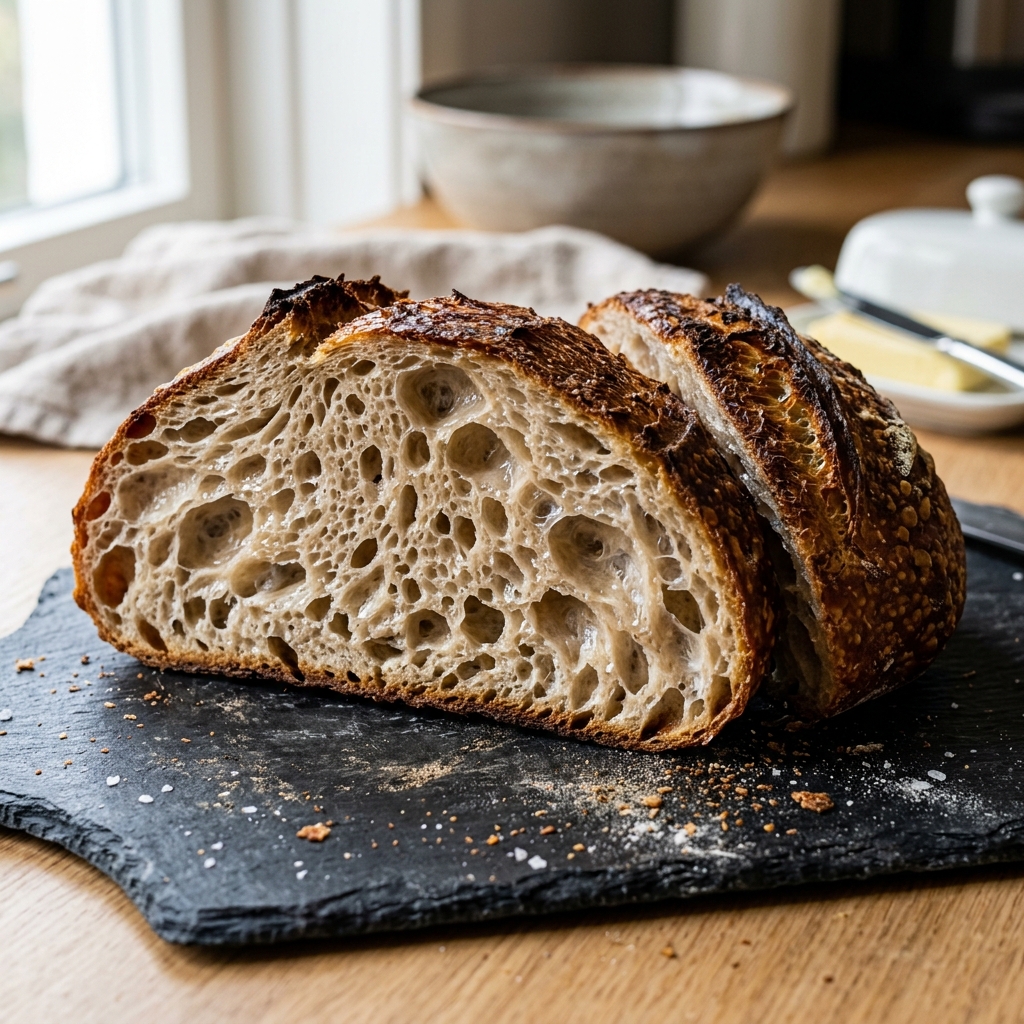
High-Hydration Sourdough Bread
A deep-brown, blistered crust that cracks when you squeeze it, and an open, irregular crumb that catches the light. This method uses an overnight cold retard and a Dutch oven to trap steam, so you get bakery-level rise and tang without a steam-injected oven.
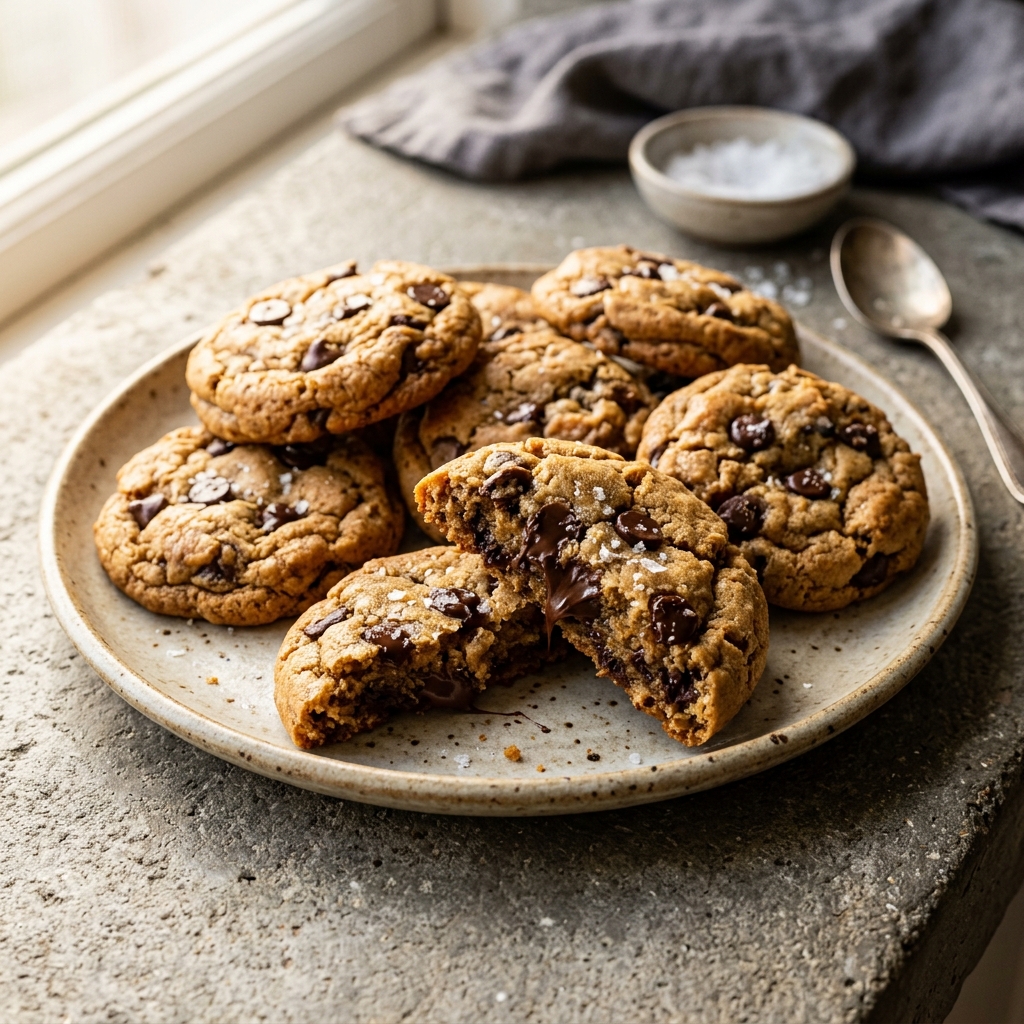
Chewy Keto Chocolate Chip Cookies
Golden edges, soft centers, and a texture that actually holds together — this keto-friendly version skips the usual gummy pitfalls. Made with almond flour and a precise balance of sweeteners, these are drop cookies that taste like the real thing.
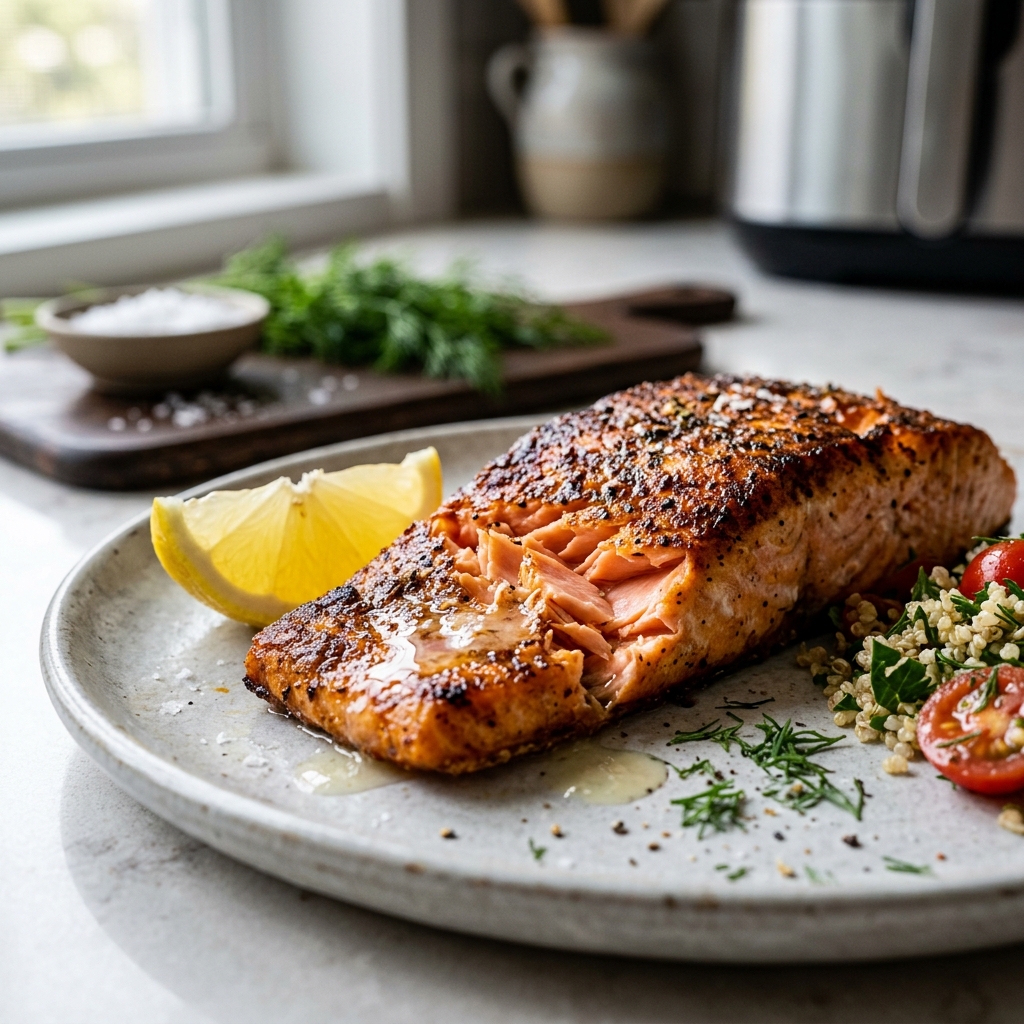
Perfect Air Fryer Salmon
Crispy-edged, flaky-centered salmon straight from the air fryer in under 12 minutes. No flipping halfway, no oil splatter — just a garlic-and-paprika crust that seals in the moisture.
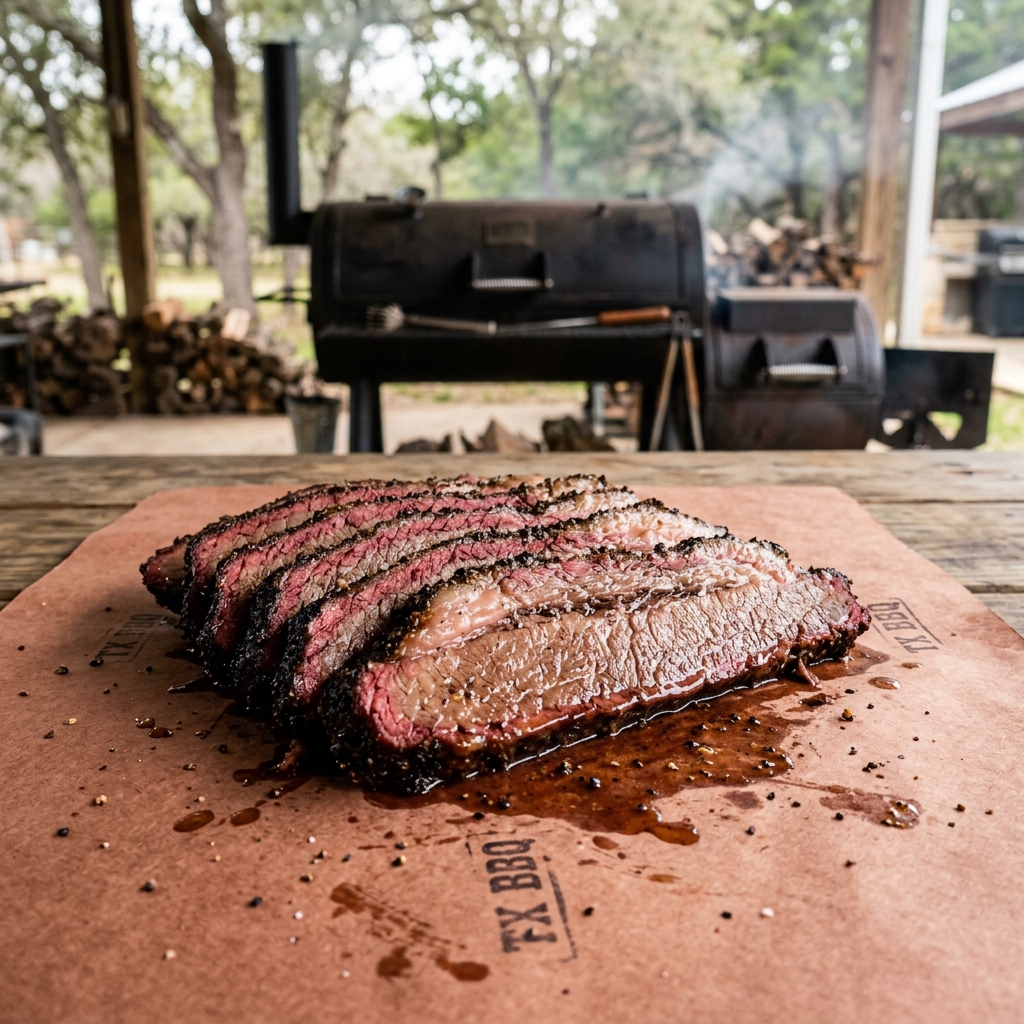
Texas-Style Smoked Brisket
A thick black bark, a deep pink smoke ring, and meat that pulls apart with zero resistance. This Texas-style method uses an overnight dry brine and a paper wrap to power through the stall, giving you competition-level brisket at home.
Tools For This Recipe
Use our precision calculators to adjust servings, convert measurements, and check doneness.
Finished Cooking?
Keep exploring — there is always more to discover in the kitchen.