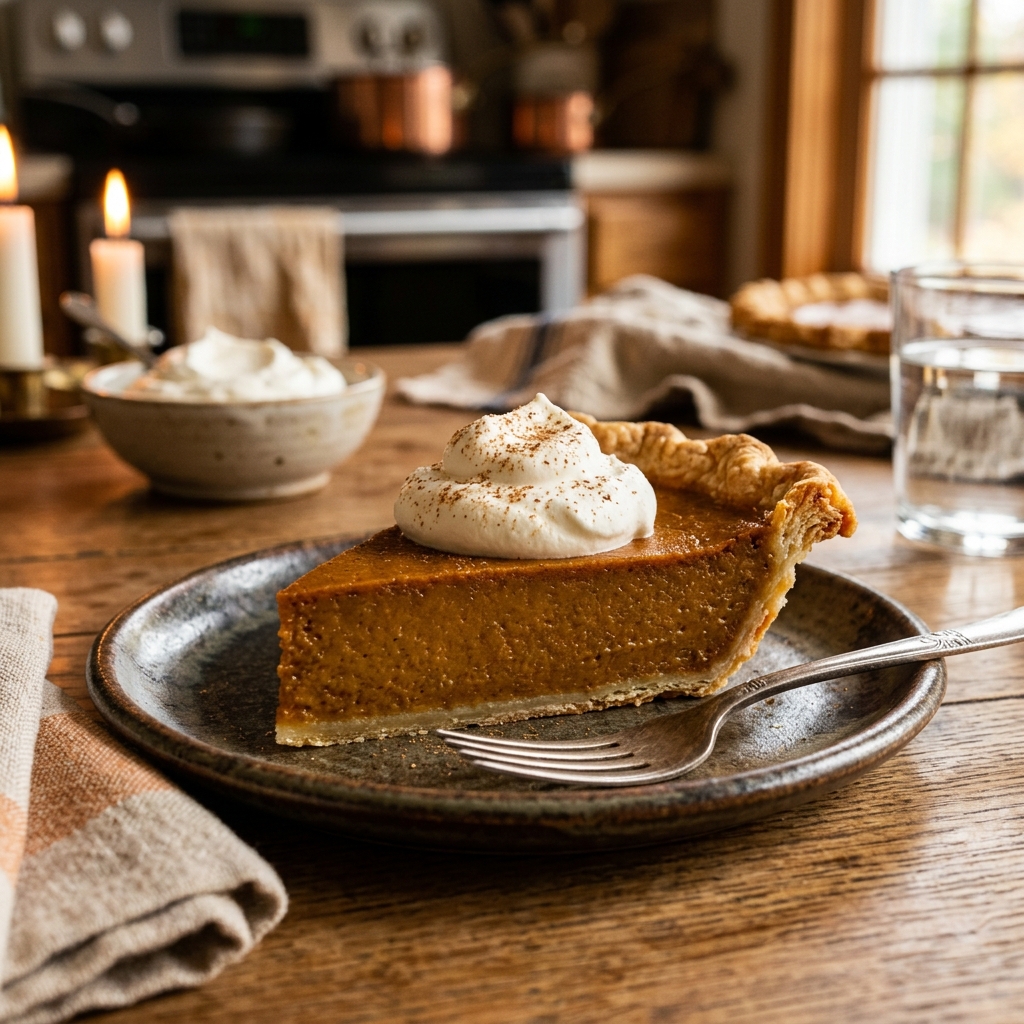
Classic Pumpkin Pie
A buttery, flaky crust cradling a bubbling, thick-cut fruit filling that holds its shape when sliced. This recipe uses a vodka-infused dough for tenderness and a precise thickening ratio so the bottom crust stays crisp.
Before You Start
- 1Keep all your dough ingredients cold. Warm butter melts into the flour instead of creating flaky layers.
- 2Read through the entire recipe before starting to make sure you have all ingredients and equipment ready.
Ingredients
A flaky butter crust works best. If using store-bought, go for a deep-dish shell.
Room temperature eggs blend more smoothly into the custard.
Keeps the custard tender without making it cloying.
Adds a warm, molasses-like depth.
One 15-ounce can. Do not use pumpkin pie filling, which is pre-spiced and sweetened.
Makes the filling luxuriously creamy. Avoid subbing with milk or half-and-half.
Rounds out the spice flavors beautifully.
The backbone of the spice blend.
Adds a subtle warmth and brightness.
A little goes a long way. Too much will taste medicinal.
Balances the sweetness and intensifies the pumpkin flavor.
Step-by-Step Instructions
Ready the Oven and Crust
Preheat your oven to 425°F (218°C) with a rack in the lower third. Roll your pie dough to a 13-inch circle and fit it into a 9-inch pie dish. Fold the overhang under and crimp the edges. Set the dish in the fridge for 15 minutes to firm up while you make the filling. Take your time here.
Everything should be evenly distributed with no dry spots.
Chilling the shaped crust before baking prevents the butter in the dough from melting too fast in the oven, which keeps the edges from slumping down.
Whisk the Custard Base
This is more about feel than precision. Trust your hands.
It might look a bit uneven right now, but that's completely normal at this stage.
The mass should be more cohesive — it'll pull away from the bowl cleanly.
Whisk in one direction to keep air bubbles minimal. Too many bubbles in the filling create a pitted surface after baking.
Add the Spices
Sprinkle the cinnamon, ginger, cloves, and salt over the batter. This is where everything starts coming together. Whisk gently until no streaks remain. Give the bowl a solid tap on the counter to pop any surface bubbles.
Working the dough develops gluten for chew and structure.
Bake at Two Temperatures
Place the pie dish on a rimmed baking sheet. This is where everything starts coming together. Pour the filling into the cold crust. Bake at 425°F for 15 minutes. Reduce the oven temperature to 375°F (190°C) without opening the door and bake for 35 to 45 minutes more.
Preheating thoroughly is one of the most underrated steps.
Check for Doneness
If it's not ready, give it a few more minutes. Every setup runs differently.
The thermometer slides in with little resistance — like room-temperature butter.
Cool and Serve
Transfer the pie to a wire rack and cool completely at room temperature, about 3 hours. For the cleanest slices and best flavor, cover loosely and refrigerate overnight. Serve chilled or at room temperature with whipped cream.
You should see golden-brown exterior all around. The aroma should be rich.
How to Know It's Done
- The filling is bubbling visibly through the vents or around the edges of a lattice crust.
- For custard pies, the center should jiggle slightly like gelatin, not slosh like liquid.
- When in doubt, use an instant-read thermometer. It is the most reliable way to check doneness.
Nutritional Profile
Macros listed below scale dynamically based on the serving size selected in the recipe card.
Kitchen Timer
Quick Facts
Need to scale or convert sizes?
This recipe links with our specialized calculators. Use them to calibrate oven dials, adjust brine salinity percentages, or scale baking pans.
Try the Grams to Cups ConverterTechnique Notes
- If the crust edge browns too quickly, tent it with a thin strip of aluminum foil after the first 30 minutes of baking.
- Do not substitute the heavy cream with milk or evaporated milk. The fat content is what gives this pie its signature creamy texture.
- Use an oven thermometer to verify your oven's actual temperature before baking. Many ovens run 25°F off from the dial.
Common Mistakes to Avoid
- Skipping the blind bake for wet fillings. A soggy bottom crust is almost always caused by skipping this step.
Troubleshooting FAQ
You May Also Like
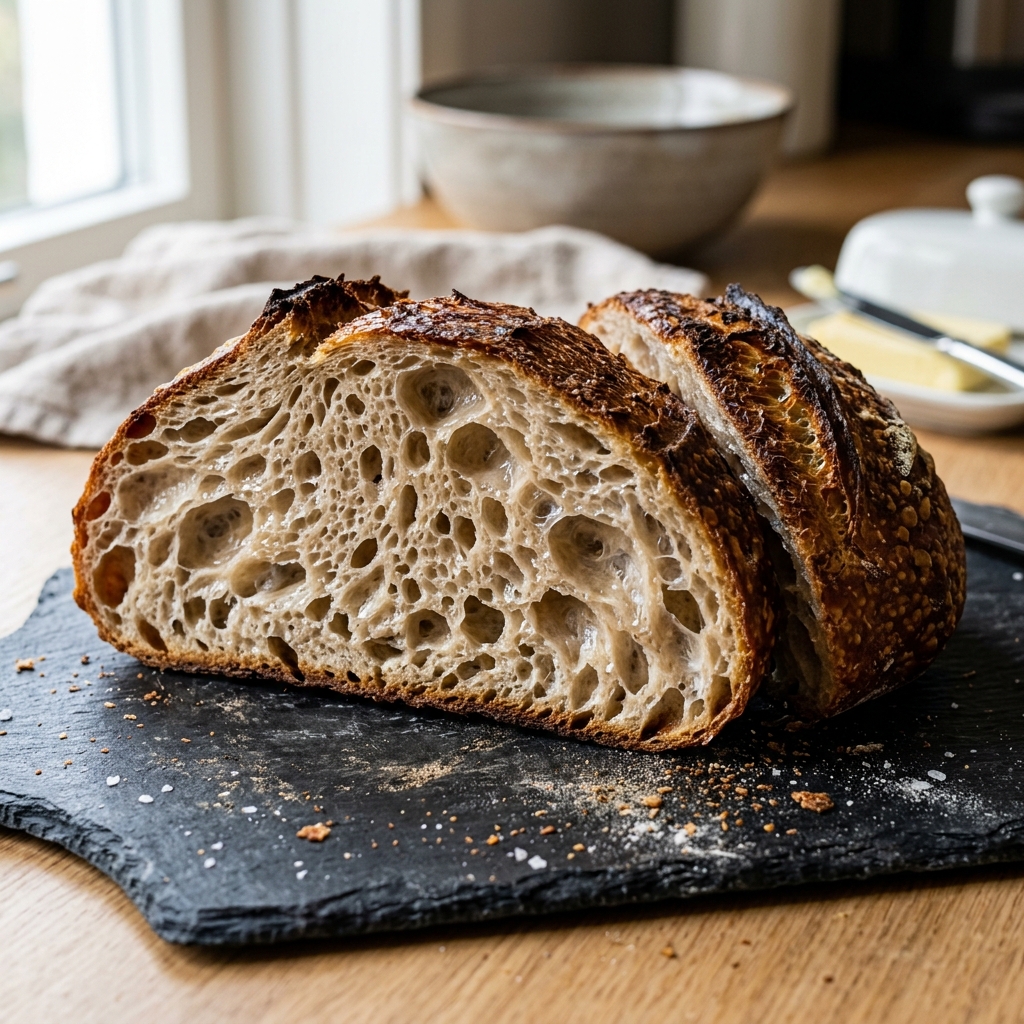
High-Hydration Sourdough Bread
A deep-brown, blistered crust that cracks when you squeeze it, and an open, irregular crumb that catches the light. This method uses an overnight cold retard and a Dutch oven to trap steam, so you get bakery-level rise and tang without a steam-injected oven.
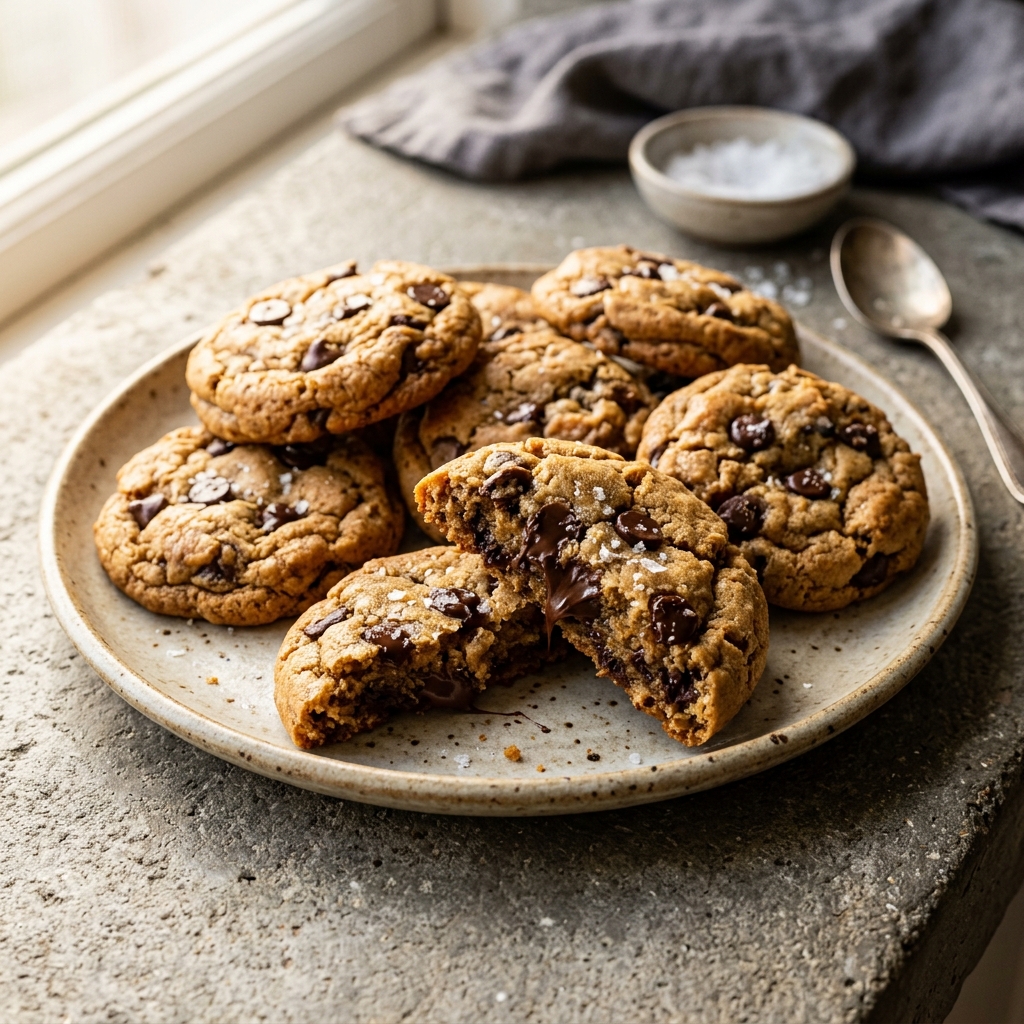
Chewy Keto Chocolate Chip Cookies
Golden edges, soft centers, and a texture that actually holds together — this keto-friendly version skips the usual gummy pitfalls. Made with almond flour and a precise balance of sweeteners, these are drop cookies that taste like the real thing.
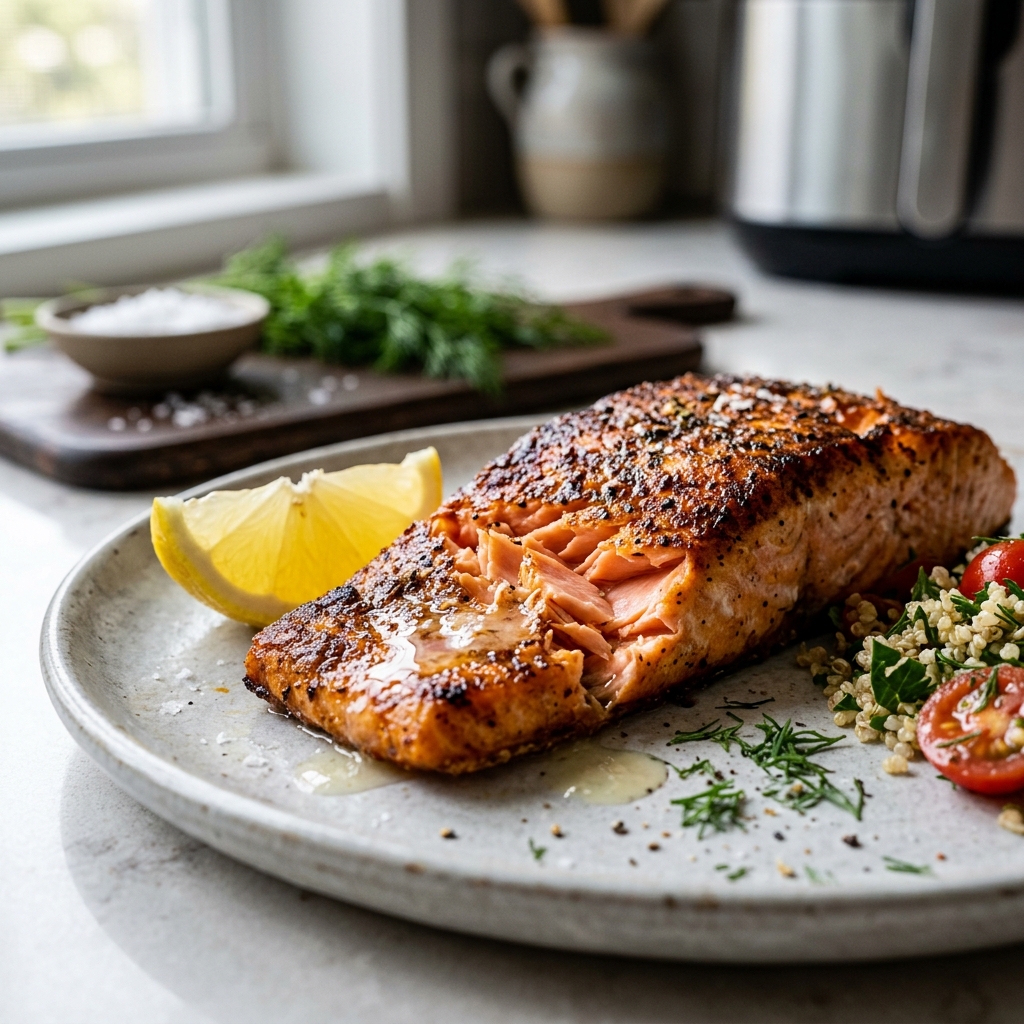
Perfect Air Fryer Salmon
Crispy-edged, flaky-centered salmon straight from the air fryer in under 12 minutes. No flipping halfway, no oil splatter — just a garlic-and-paprika crust that seals in the moisture.
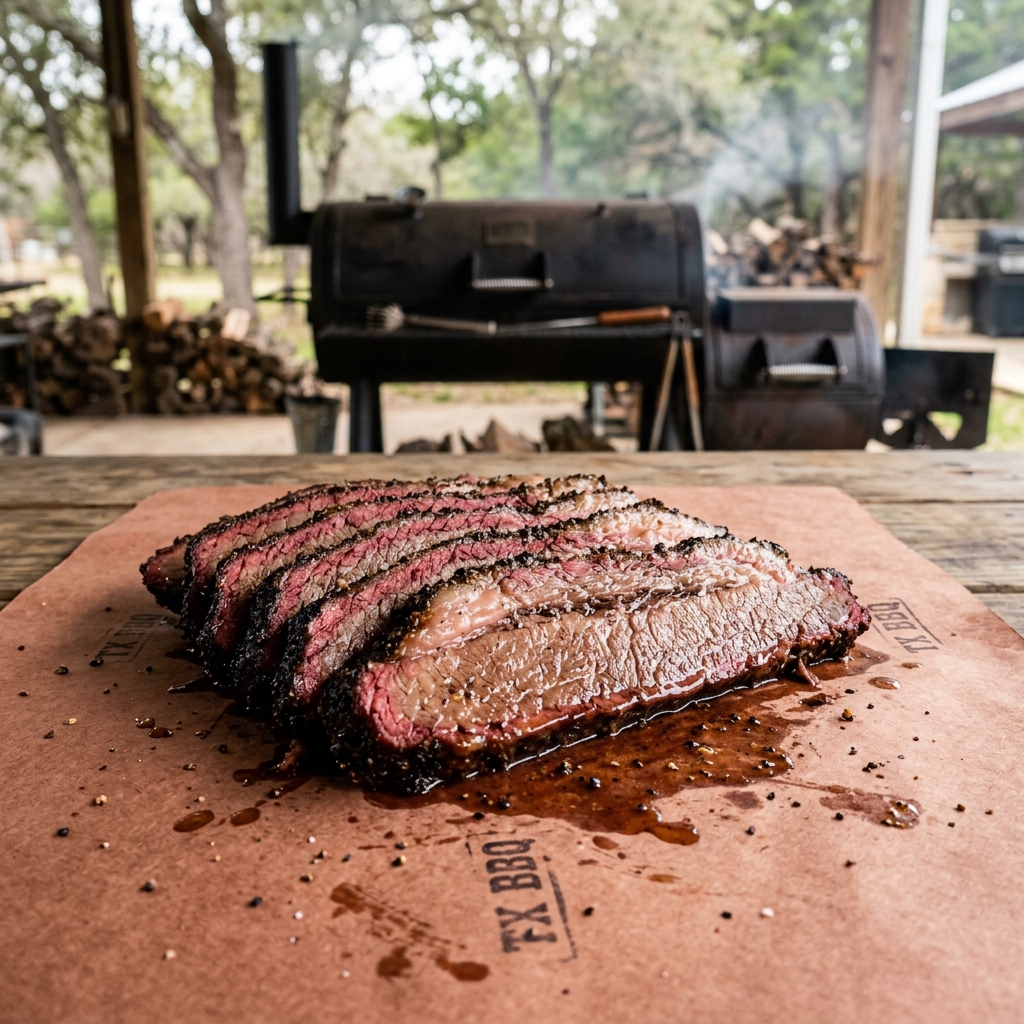
Texas-Style Smoked Brisket
A thick black bark, a deep pink smoke ring, and meat that pulls apart with zero resistance. This Texas-style method uses an overnight dry brine and a paper wrap to power through the stall, giving you competition-level brisket at home.
Tools For This Recipe
Use our precision calculators to adjust servings, convert measurements, and check doneness.
Finished Cooking?
Keep exploring — there is always more to discover in the kitchen.