
Classic Holiday Sugar Cookies
classic holiday sugar cookies — a carefully crafted recipe that balances technique with approachability. Every step is designed to build confidence, not just follow instructions.
Before You Start
- 1Read through the entire recipe before starting to make sure you have all ingredients and equipment ready.
Ingredients
Helps the cookies puff slightly without spreading.
Balances the sweetness.
Two standard sticks. Must be soft but not melted.
Fine white sugar gives the best texture for cut-out cookies.
Room temperature for even mixing.
Pure vanilla extract, not imitation.
Adds a subtle bakery-style flavor that complements the vanilla.
Step-by-Step Instructions
Whisk the Dry Ingredients
Take your time here. In a medium bowl, whisk together the flour, baking powder, and salt. Set aside.
Everything should be evenly distributed with no dry spots.
Cream the Butter and Sugar
In a large bowl with a hand mixer or stand mixer fitted with a paddle, beat the butter and sugar on medium speed for 3 minutes until pale, light, and fluffy. You'll feel the texture changing — that's exactly right.
Add the Egg and Extracts
Add the egg, vanilla, and almond extract to the butter mixture. Beat on low until just combined. Scrape the bowl and mix again for a few seconds.
The dough should feel noticeably smoother and more elastic.
Form the Dough
Add the dry ingredients in two additions, mixing on low after each until the dough just comes together. It should look crumbly at first, then hold together when pressed. Divide the dough in half, flatten each into a disk, wrap in plastic, and refrigerate for at least 1 hour.
You might feel like nothing is happening — but underneath, the chemistry is hard at work.
Each fold traps air, building the network for an airy crumb.
Roll and Cut
Preheat the oven to 350°F (177°C) and line two baking sheets with parchment. On a lightly floured surface, roll one disk to 1/4 inch thickness.
This is the point where patience matters most. Resist the urge to rush.
The texture shifts from shaggy to smooth. That's the gluten developing.
Bake and Cool
Bake one sheet at a time for 10 to 12 minutes, rotating halfway through, until the edges are just barely golden. The centers should look pale and set. Cool on the baking sheet for 5 minutes, then transfer to a wire rack to cool completely before decorating.
Slice against the grain for tougher cuts. It makes every bite more tender.
How to Know It's Done
- The edges are golden brown and the centers are just set — still soft, not puffed.
- The cookies have spread to their expected diameter and the surface looks matte, not glossy.
- When in doubt, use an instant-read thermometer. It is the most reliable way to check doneness.
Nutritional Profile
Macros listed below scale dynamically based on the serving size selected in the recipe card.
Kitchen Timer
Quick Facts
Need to scale or convert sizes?
This recipe links with our specialized calculators. Use them to calibrate oven dials, adjust brine salinity percentages, or scale baking pans.
Try the Butter ConverterTechnique Notes
- For evenly baked cookies, bake one sheet at a time on the middle rack. Stacking two sheets blocks airflow and causes uneven browning.
- If the dough cracks while rolling, let it sit at room temperature for 5 minutes to soften slightly.
- Leftover dough scraps can be pressed together and re-rolled once. After that, the dough becomes tough from over-working.
Common Mistakes to Avoid
- Not reading the recipe through before starting. A quick scan saves you from mid-cooking surprises.
Troubleshooting FAQ
You May Also Like
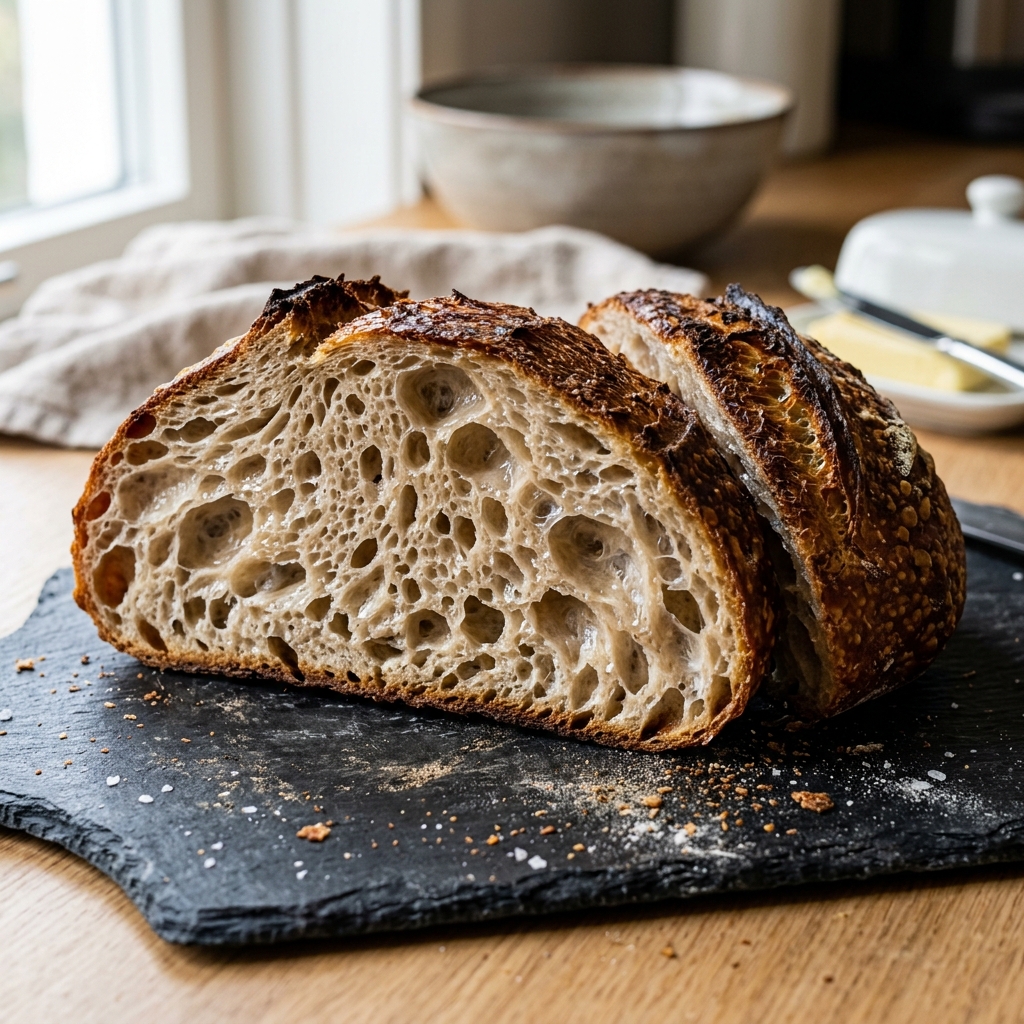
High-Hydration Sourdough Bread
A deep-brown, blistered crust that cracks when you squeeze it, and an open, irregular crumb that catches the light. This method uses an overnight cold retard and a Dutch oven to trap steam, so you get bakery-level rise and tang without a steam-injected oven.
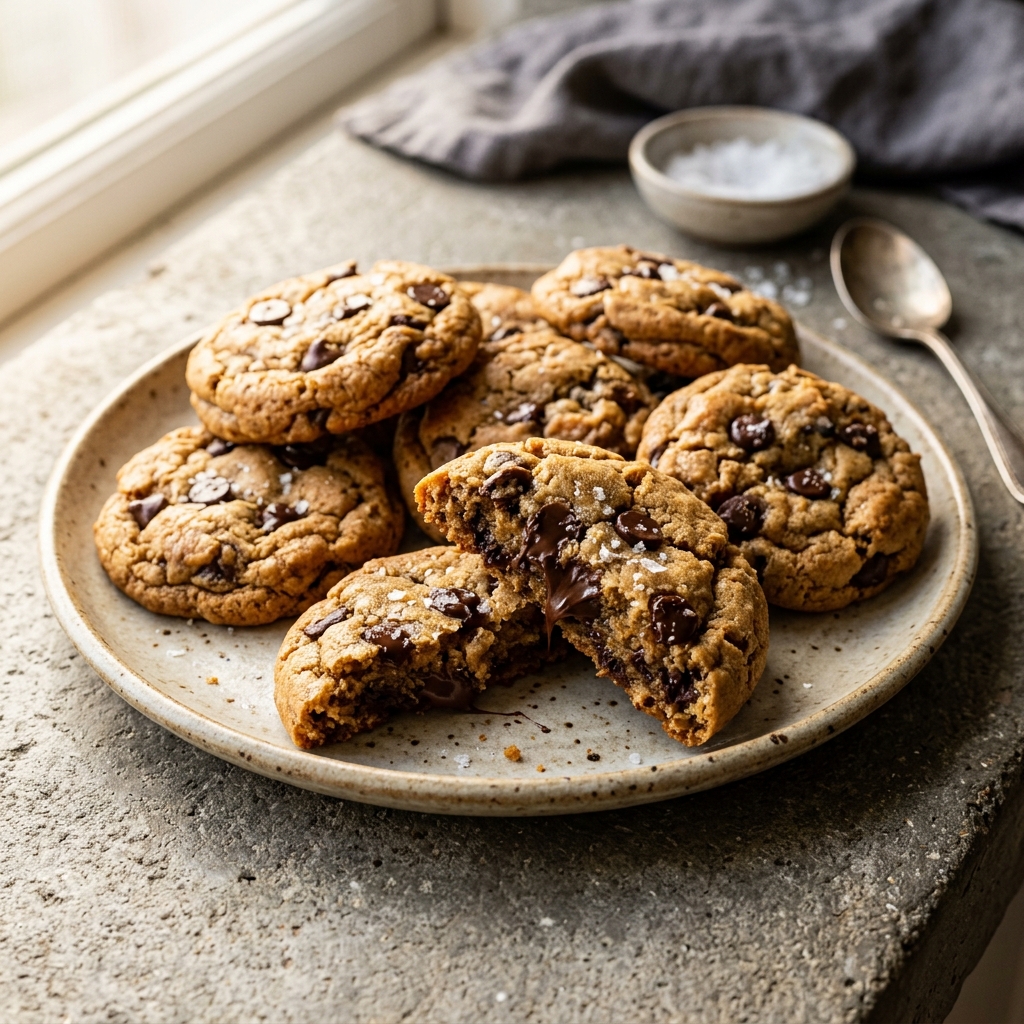
Chewy Keto Chocolate Chip Cookies
Golden edges, soft centers, and a texture that actually holds together — this keto-friendly version skips the usual gummy pitfalls. Made with almond flour and a precise balance of sweeteners, these are drop cookies that taste like the real thing.
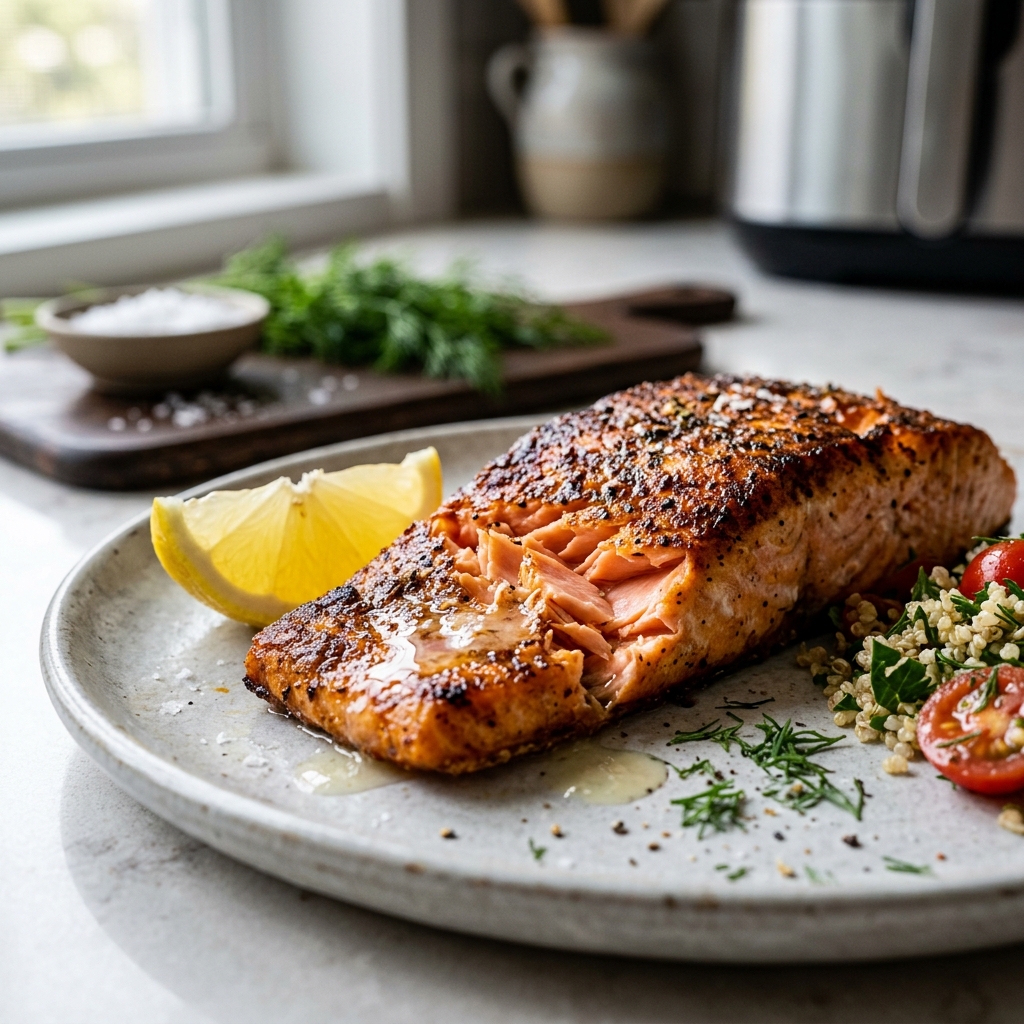
Perfect Air Fryer Salmon
Crispy-edged, flaky-centered salmon straight from the air fryer in under 12 minutes. No flipping halfway, no oil splatter — just a garlic-and-paprika crust that seals in the moisture.
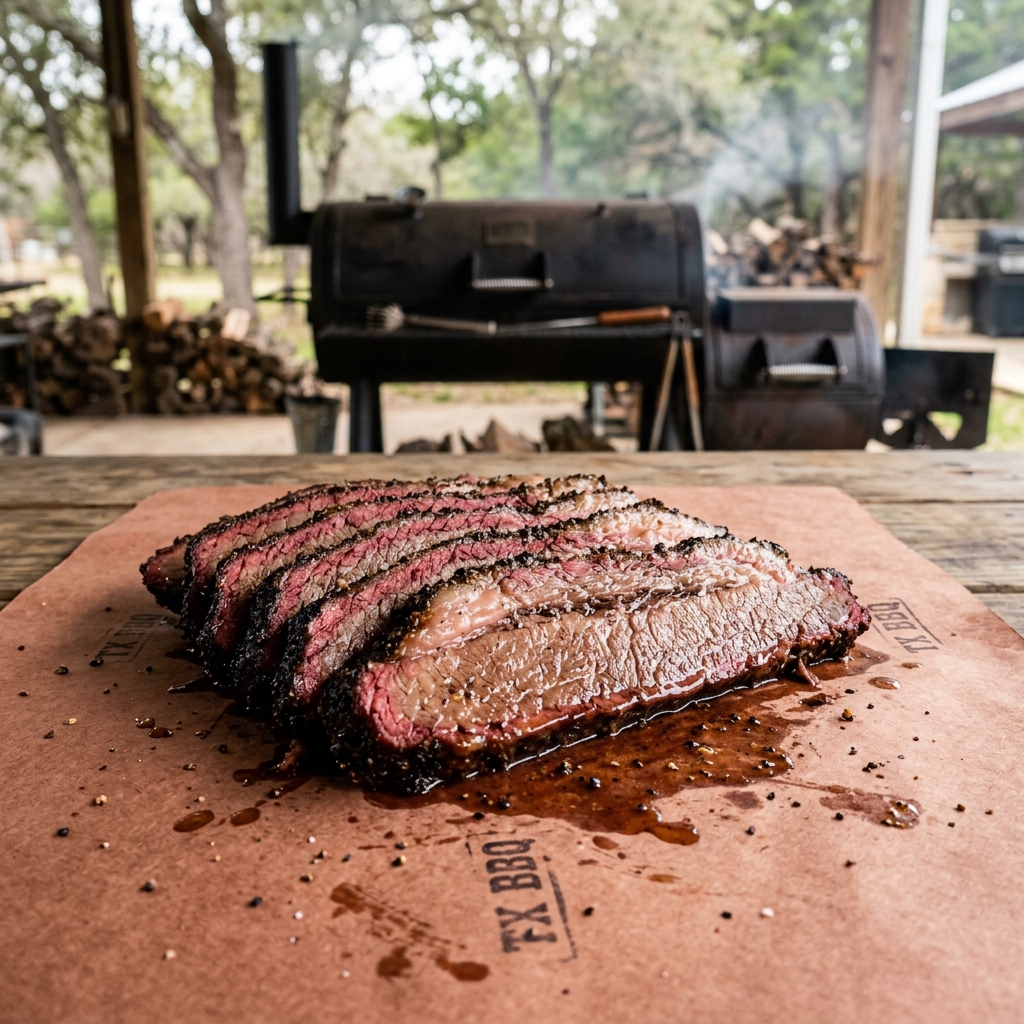
Texas-Style Smoked Brisket
A thick black bark, a deep pink smoke ring, and meat that pulls apart with zero resistance. This Texas-style method uses an overnight dry brine and a paper wrap to power through the stall, giving you competition-level brisket at home.
Tools For This Recipe
Use our precision calculators to adjust servings, convert measurements, and check doneness.
Finished Cooking?
Keep exploring — there is always more to discover in the kitchen.