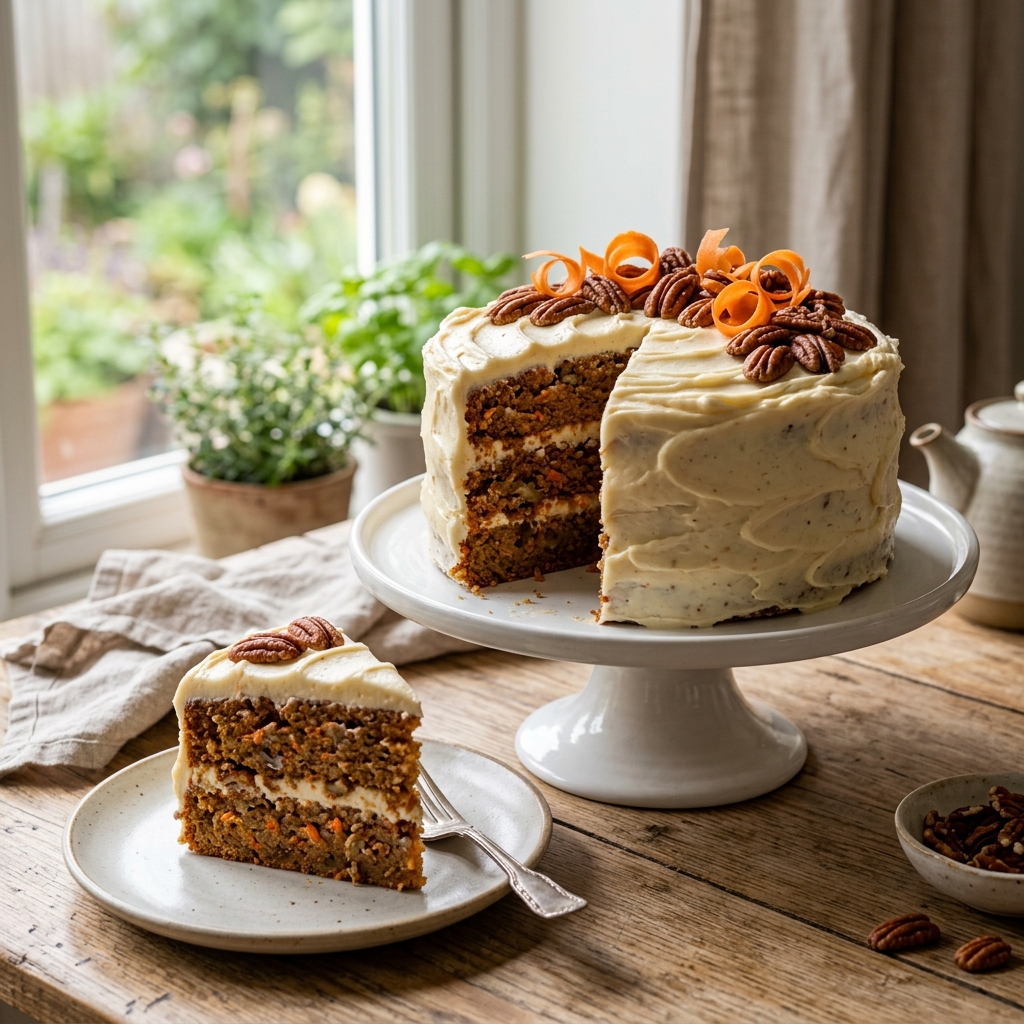
Classic Carrot Cake
A tender, even crumb with a light, airy texture and a domed top that springs back when touched. This recipe focuses on proper creaming technique and ingredient temperature so your cakes rise consistently.
Before You Start
- 1Read through the entire recipe before starting to make sure you have all ingredients and equipment ready.
Ingredients
For lift.
Helps neutralize the buttermilk and brown sugar acidity.
The backbone of the spice profile.
Freshly grated is best.
Adds warmth without heat.
Enhances all the flavors.
A neutral oil keeps the cake tender.
Adds sweetness and tenderness.
Room temperature eggs emulsify better into the batter.
Pure vanilla, not imitation.
Reacts with the baking soda for a tender crumb.
Use the small holes of a box grater. Do not use pre-shredded carrots from a bag.
Toast in a dry skillet over medium heat for 4 minutes until fragrant.
Adds texture and a tropical note.
Press out as much liquid as possible with a spoon.
To adjust consistency.
Step-by-Step Instructions
Preheat and Prep Pans
Preheat the oven to 350°F (175°C). Grease three 9-inch round cake pans, line the bottoms with parchment rounds, and lightly flour the sides.
The texture should be rough and shaggy — that's the goal.
A kitchen scale is more accurate than measuring cups.
Whisk Dry Ingredients
In a medium bowl, whisk the flour, baking powder, baking soda, cinnamon, nutmeg, ginger, and salt until evenly combined.
If it feels too soft to handle, don't panic. A quick chill in the fridge for 10 minutes will firm it right up.
Whisking distributes the leaveners and spices evenly so you do not get pockets of baking powder in the finished cake.
Mix Wet Ingredients
In a large bowl, whisk together the oil, granulated sugar, and brown sugar until smooth. Add the eggs one at a time, whisking well after each. Stir in the vanilla and buttermilk.
Cut vegetables uniformly so they cook at the same rate.
Combine and Fold
Pour the dry ingredients into the wet ingredients and fold with a rubber spatula until just combined. You'll feel the texture changing — that's exactly right. Fold in the grated carrots, toasted pecans, coconut, and drained pineapple. Do not overmix.
If too dry, add liquid a tablespoon at a time. If too wet, let it sit a few minutes.
Bake the Layers
This is where patience pays off. Let the heat do its work.
A deep brown crust should be forming.
Make the Frosting
In a stand mixer with the paddle attachment, beat the cream cheese and butter on medium-high until smooth, about 3 minutes. By now things should look noticeably different. Reduce to low and gradually add the powdered sugar. Add the vanilla and heavy cream, then increase to medium-high and beat for 2 minutes until light and fluffy. This is more about feel than precision. Trust your hands.
The cream cheese and butter must be truly room temperature. Cold cream cheese will leave lumps in your frosting that no amount of beating will fix.
Assemble the Cake
Place one cake layer on a serving plate. Spread about 3/4 cup of frosting evenly on top. Repeat with the second and third layers. Crumb-coat the entire cake with a thin layer of frosting and refrigerate for 15 minutes. Finish with the remaining frosting, smoothing the top and sides. Garnish with chopped pecans and carrot curls if desired.
Don't worry if it doesn't look perfect yet. The final shape comes in the next step.
You should see golden-brown exterior all around. The aroma should be rich.
How to Know It's Done
- A toothpick inserted in the center comes out with a few moist crumbs, not wet batter.
- The edges have pulled away slightly from the pan.
- The top springs back when lightly pressed with a finger.
- When in doubt, use an instant-read thermometer. It is the most reliable way to check doneness.
Nutritional Profile
Macros listed below scale dynamically based on the serving size selected in the recipe card.
Kitchen Timer
Quick Facts
Need to scale or convert sizes?
This recipe links with our specialized calculators. Use them to calibrate oven dials, adjust brine salinity percentages, or scale baking pans.
Try the Cups to Grams ConverterTechnique Notes
- The pineapple must be well-drained. Squeeze it in a clean kitchen towel if needed. Excess liquid makes the cake gummy instead of moist.
- This cake tastes even better the next day. The spices and moisture settle overnight. Wrap and refrigerate after assembly.
- For carrot curls, peel wide strips from a large carrot, curl them around a chopstick, and refrigerate for 10 minutes.
Common Mistakes to Avoid
- Not reading the recipe through before starting. A quick scan saves you from mid-cooking surprises.
Troubleshooting FAQ
You May Also Like
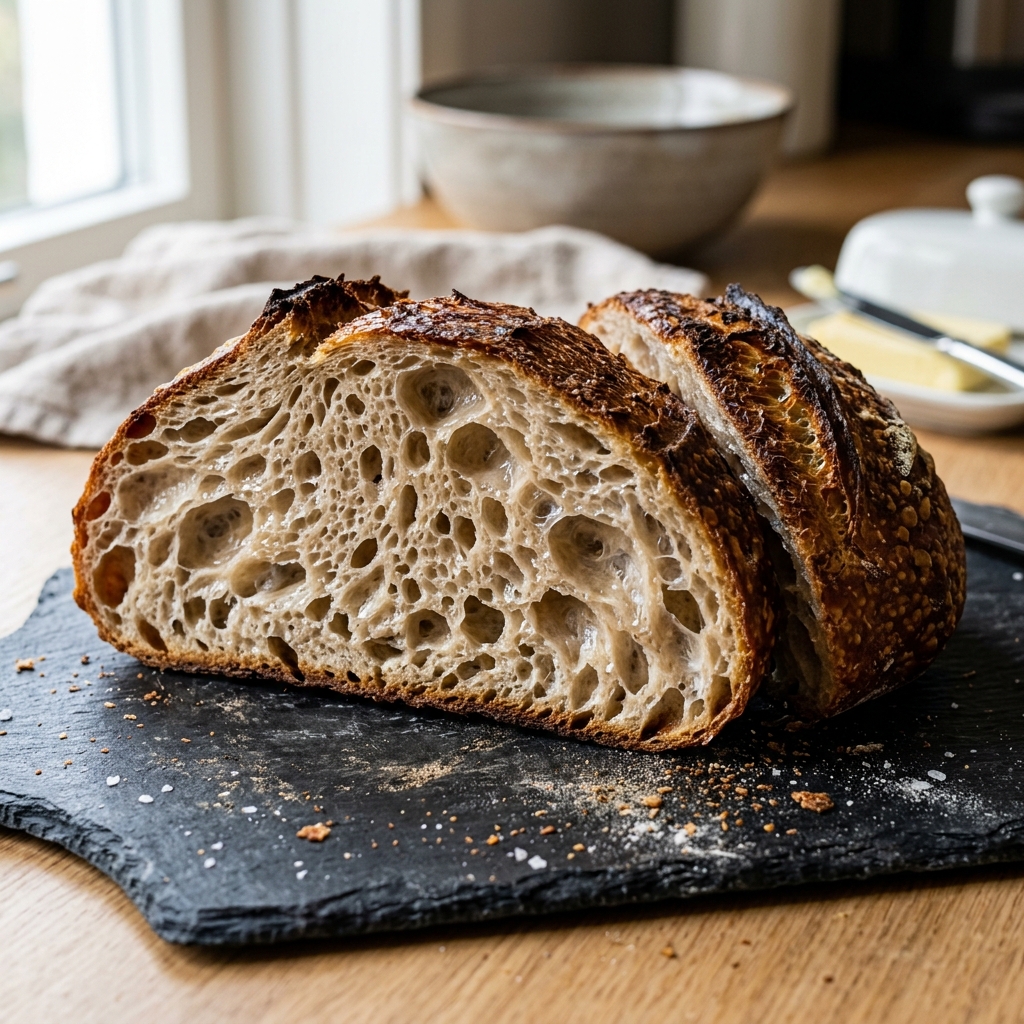
High-Hydration Sourdough Bread
A deep-brown, blistered crust that cracks when you squeeze it, and an open, irregular crumb that catches the light. This method uses an overnight cold retard and a Dutch oven to trap steam, so you get bakery-level rise and tang without a steam-injected oven.
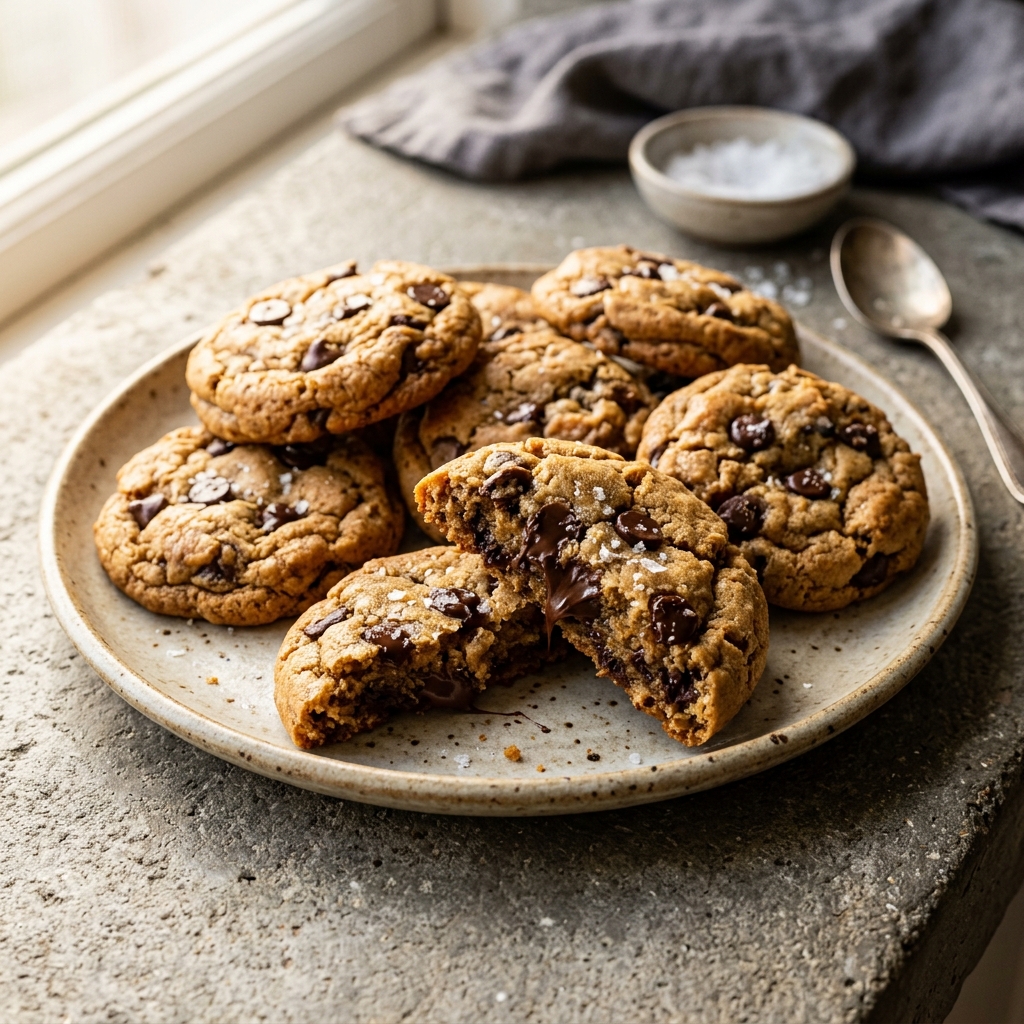
Chewy Keto Chocolate Chip Cookies
Golden edges, soft centers, and a texture that actually holds together — this keto-friendly version skips the usual gummy pitfalls. Made with almond flour and a precise balance of sweeteners, these are drop cookies that taste like the real thing.
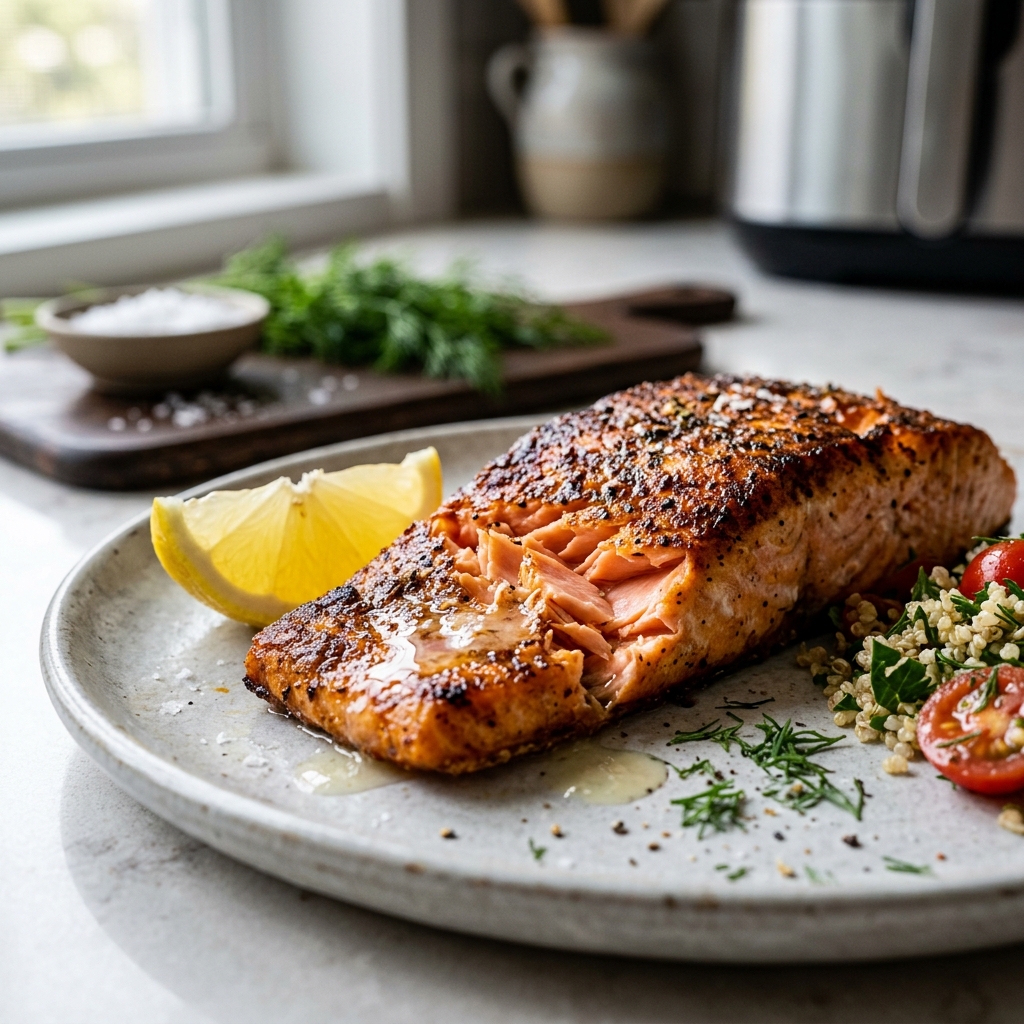
Perfect Air Fryer Salmon
Crispy-edged, flaky-centered salmon straight from the air fryer in under 12 minutes. No flipping halfway, no oil splatter — just a garlic-and-paprika crust that seals in the moisture.
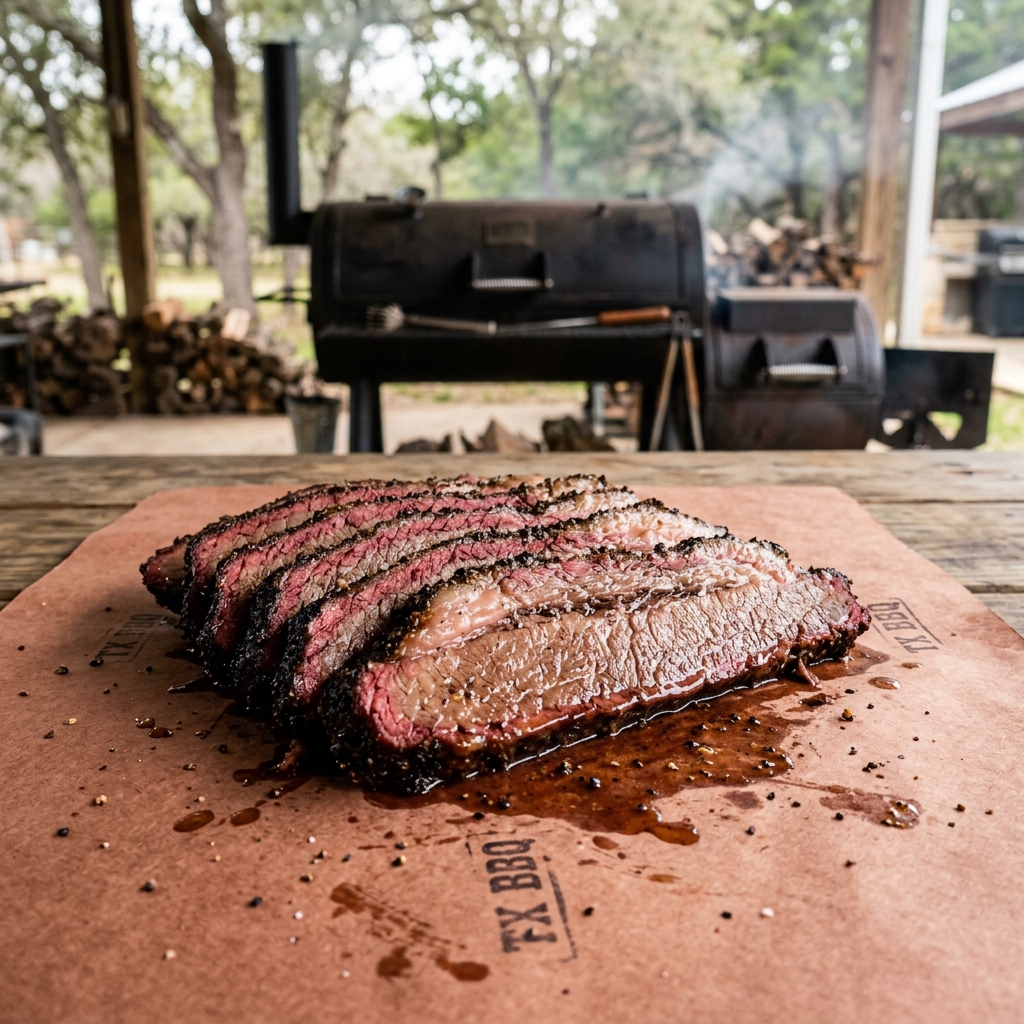
Texas-Style Smoked Brisket
A thick black bark, a deep pink smoke ring, and meat that pulls apart with zero resistance. This Texas-style method uses an overnight dry brine and a paper wrap to power through the stall, giving you competition-level brisket at home.
Tools For This Recipe
Use our precision calculators to adjust servings, convert measurements, and check doneness.
Finished Cooking?
Keep exploring — there is always more to discover in the kitchen.