Why Kitchen Conversions Are Never 100% Exact
If you've ever searched Google for "how many grams in a cup of flour," you've probably noticed a frustrating problem. One site says 120 grams, another says 125 grams, and a third claims it's 140 grams.
It's incredibly annoying when you're trying to convert a recipe. The truth is, converting volume (cups) to weight (grams) isn't a clean math formula like converting temperature. It's a guessing game based on physical ingredients. Here is why those conversion charts are never quite exact.
Why Conversions Drift
- ›Powders Compress: Humidity, storage, and settling change how tightly flour packs into your measuring cup.
- ›Brand Density: Different brands grind their wheat differently, changing how much a cup of flour actually weighs.
- ›Cup Sizes: Not all cups are equal. A US cup is 236.6mL, while a metric cup (used in the UK and Australia) is 250mL.
Want the Real Weight?
Don't rely on random charts. Use our free Cups to Grams Converter to get standardized, reliable weights for over 100 cooking ingredients.
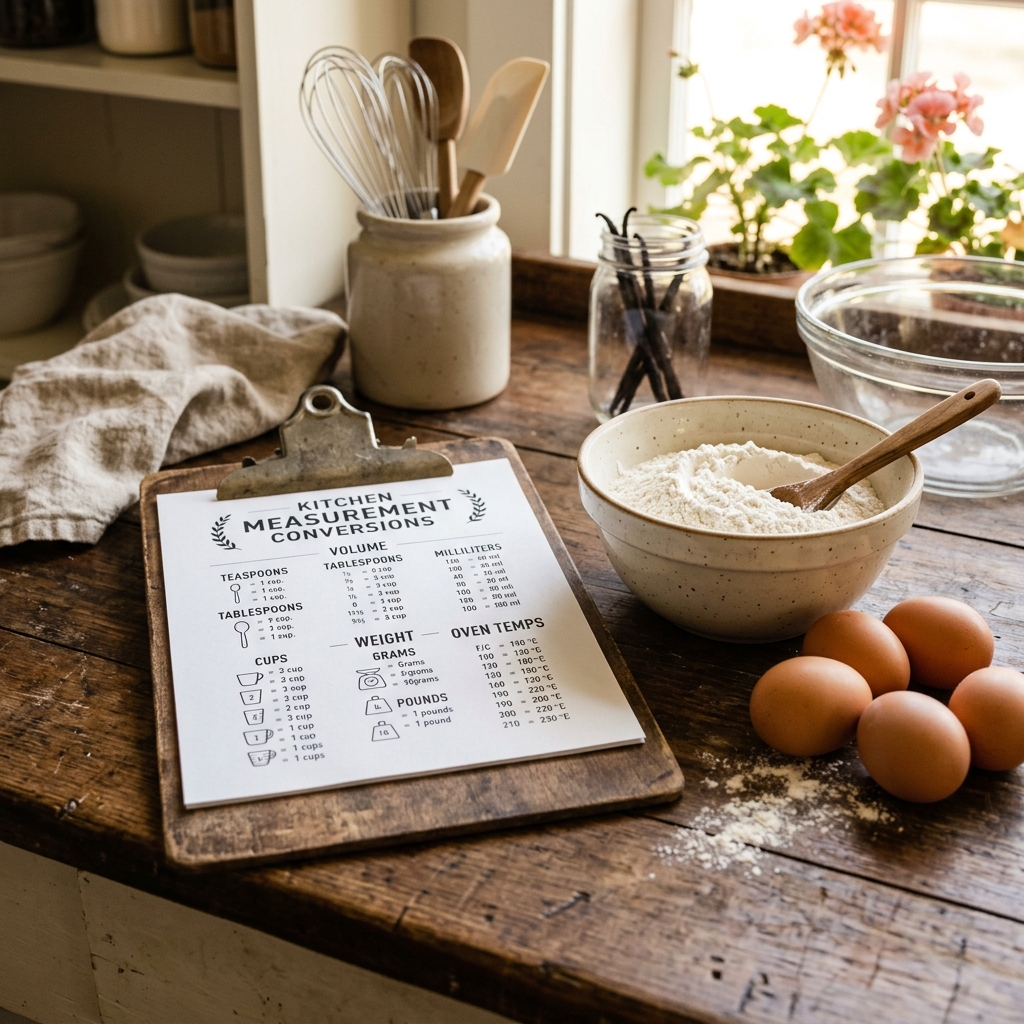
The 3 Culprits Behind Innaccurate Conversions
Every conversion chart has to make a few assumptions. When a site tells you a cup of flour is 125 grams, it's guessing three things:
- 1. Your cup size: It assumes you are using a standard US cup (236.6 mL). If you are using a metric cup (250 mL) common in Europe or Australia, your cup of flour will actually weigh 132 grams.
- 2. The weather: Flour absorbs moisture from the air. In a humid kitchen, the grains swell up and get heavier, changing your cup weight without you realizing it.
- 3. Your scooper style: It assumes you "spoon and level" your flour. If you scoop directly from the bag, you pack the flour down, packing up to 150 grams or more into that same cup.
| Variable | Physical Effect | Weight Difference (Grams) |
|---|---|---|
| Compaction (Scoop vs. Spoon) | Packs grains tighter, removing air gaps | +20g to +40g per cup |
| Regional Cup Sizing | Metric cups (250mL) vs. US Customary (236.6mL) | +7g to +10g per cup |
| Atmospheric Humidity | Flour absorbs ambient water molecules | +3g to +5g per cup |
| Brand Density | Wheat variety starch/protein structure differences | +5g to +8g per cup |
A measuring cup only measures space, but physical ingredients behave differently based on the weather, the brand, and how you scoop. Weighing is the only way to get it right.
How to Convert Cup Recipes Without the Stress
If you're trying to bake a recipe that only lists cup measurements, here is how to convert it safely:
- Find the author's cup standard: Look around the recipe website for a conversion chart or a notes page. If they say a cup of flour is 120 grams, use that weight. If you can't find anything, assume **125g** as a safe default for American recipes.
- Convert the recipe first: Translate all the cups to grams before you start. Write the weights down right on the page or in your notes so you aren't doing math while cooking.
- Write down your results: If your bake turns out slightly too dry or your cookies spread flat, you'll know the conversion was a bit off. Jot down a note to adjust the weight by 5 to 10 grams next time.
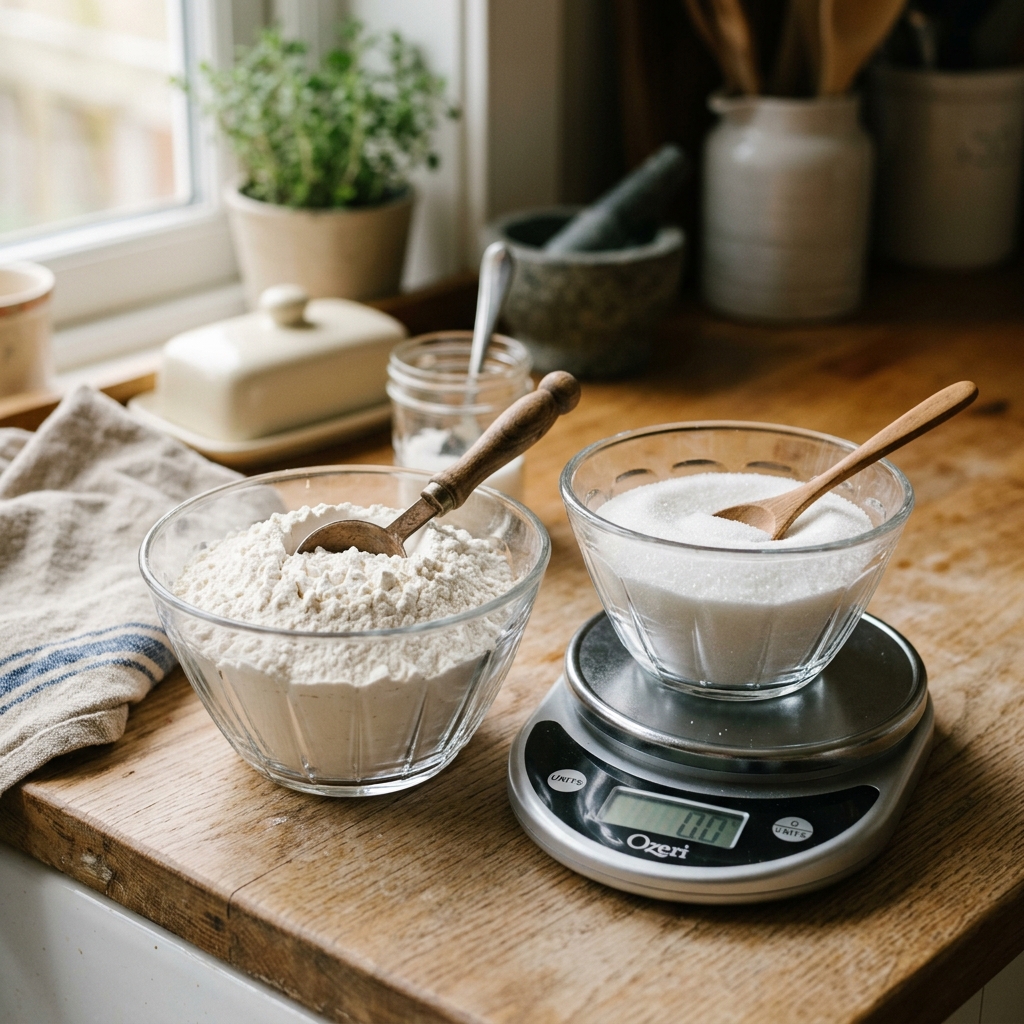
Inside the Kitchen
Try Our Cups to Grams Converter
Tired of guessing?
Our free Cups to Grams Converter handles the math. It uses standard densities for over 100 ingredients, so you get a reliable weight in grams every single time.
More Handy Kitchen Tools
Keep your kitchen measurements accurate with these free calculators:
- Cups to Grams Converter — Swap volume cups to weight measurements.
- Unit Converter — Quickly switch between metric and imperial.
- mL and Cups Converter — Easily swap liquid volumes between mL and cups.
- Grams to Cups Converter — Convert weights back to cups.
Wrapping Up
At the end of the day, cup conversions can never be perfectly exact because ingredients are affected by compaction, weather, and branding. The best way to avoid the headache is to convert cup recipes to grams once, write down the weights, and use a digital kitchen scale from then on. You'll get more consistent bakes and have fewer dirty dishes to clean. Happy baking!
Frequently Asked Questions
Recommended Reading
Why Professional Bakers Weigh Ingredients Instead of Using Measuring Cups
Why do professional bakers refuse to use measuring cups? Because a cup of flour can weigh anywhere from 120g to 165g. Here is why grams will change your baking forever.
Cups vs. Grams: Why Baking by Weight Actually Works
Ever wonder why your chocolate chip cookies turn out different every time you bake them? Let's talk about why swapping your measuring cups for a digital scale is the easiest upgrade you can make.
Why One Cup of Flour Doesn't Always Weigh the Same
Why does a cup of flour weigh different amounts every time you measure it? Learn how settling, humidity, and technique mess with your recipes.