How to Triple a Recipe Without Ruining It
Whether you're prepping meals for the week, hosting a huge dinner party, or baking for a school bake sale, sooner or later you will need to triple a recipe.
While multiplying by three works perfectly fine for flour, sugar, and butter, doing the same to your baking powder, yeast, hot spices, or salt is a recipe for disaster. Let's look at how to scale your ingredients so your big batch turns out just as delicious as a single one.
Quick Rules for Tripling
- ›Bases scale 1:1: Go ahead and multiply your flour, sugar, butter, and liquids by exactly 3.
- ›Cut back on leavening: Only scale your baking powder, baking soda, and yeast by 2.25x or 2.5x.
- ›Under-season at first: Scale salt and spices to 2x or 2.25x first, then taste and add more at the end.
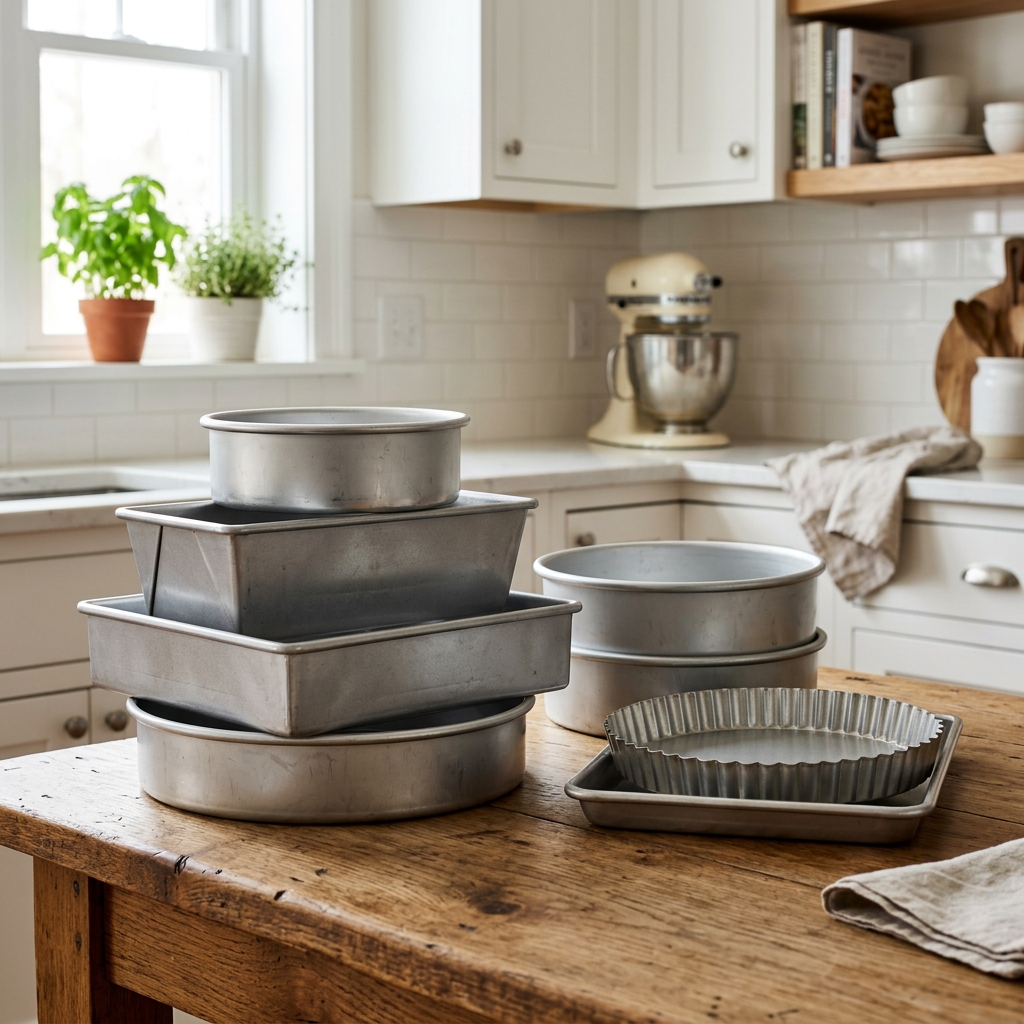
- ›Use separate pans: Bake in three separate pans if you can. If you cram it all into one big pan, you'll mess up the cook time.
Scale Your Recipe Instantly
Don't guess the ratios. Use our free Recipe Scaler Tool to automatically scale your dry ingredients, leavening, and seasonings for a perfect crowd batch.

Why Spices and Leavening Don't Scale 1:1
When you triple a recipe, some ingredients act differently in larger volumes. Their chemical impact actually builds up faster than the base ingredients. Here is how to scale them safely:
| Ingredient Category | Multiplier at 3× Servings | If Original was 1 tsp | Use This Amount |
|---|---|---|---|
| Flour, Sugar, Liquids | 3.00× | 1 cup | 3 cups |
| Baking Powder / Soda | 2.25× | 1 tsp | 2 1/4 tsp |
| Yeast (Bread Dough) | 2.50× | 2 tsp | 5 tsp |
| Salt (Baking) | 2.25× | 1 tsp | 2 1/4 tsp |
| Chili, Cayenne, Spices | 2.00× | 1 tsp | 2 tsp |
If you triple your baking powder or yeast, you'll build up too much gas. The air bubbles will rupture and collapse, leaving your bread or cake flat and gummy.
Pans and Bake Times
Don't just dump a tripled cake batter into one massive pan. This makes the batter sit way too deep, which completely changes how it bakes:
- Keep the Depth the Same: If your recipe calls for an 8x8-inch pan and you triple it, the easiest trick is to bake it in three 8x8-inch pans. That way, the depth stays the same, and they will bake in the original time.
- If you must use one pan: You will need to drop the oven temp by 25°F (15°C) and bake it for much longer so the middle cooks through before the crust burns. Trust me, keep a thermometer handy to check the center.
Egg Scaling Trick
Skip the Kitchen Math
You don't need to struggle with calculator math while cooking.
Our free Recipe Scaler Tool does the balancing for you. Just enter your ingredients and get perfect weights for double, triple, or custom batches.
Other Helpful Tools
Keep these quick converters nearby for your next big batch:
- Recipe Scaler — Scale recipe servings up or down.
- Servings Calculator — Adjust ingredient quantities for events.
- Baking Pan Size Converter — Compare areas and scale recipes between pans.
- Unit Converter — Switch between metric and imperial measurements.
The Bottom Line
Tripling a recipe is easy once you know what can be scaled 1:1 and what needs to be dialed back. Cut back on your baking powder and yeast, go light on the seasonings at first, and use separate pans to keep your bake time consistent. You'll end up with a perfect batch every time.
Frequently Asked Questions
Recommended Reading
How to Scale a Recipe Up or Down Without Ruining It
Want to scale a recipe up or down? Here is how to calculate your scaling factor and adjust tricky ingredients like yeast, baking powder, and spices so your food still tastes great.
How to Double a Recipe Without Ruining the Bake
Scaling up a recipe isn't just about multiplying every ingredient by two. Here is what actually works for leaveners, spices, and baking times so your double batch turns out great.
How to Halve a Recipe Without Mistakes
Need to cut a recipe in half? Here is how to do the math, split an egg, pick the right pan, and adjust your baking time without ruining your dinner.