How to Double a Recipe Without Ruining the Bake
Whether you're hosting a big family dinner or just want to stock your freezer with a double batch of cookie dough, doubling a recipe is a super common kitchen task.
But if you just blindly multiply every single ingredient by two, you might be in for a nasty surprise. Things like baking powder, yeast, hot spices, and alcohol don't scale in a straight line. Plus, because of how heat travels through food, your cooking times won't double either. Let's look at how to scale things up the right way.
Quick Rules for Doubling a Recipe
- Double the core ingredients: Go ahead and multiply flour, sugar, butter, and liquids by exactly 2.
- Hold back on leaveners: Use about 1.75x of your baking powder, baking soda, or yeast. Doubling them fully can make your cakes sink or taste metallic.
- Ease into spices: Start with 1.5x the salt and spices. It's easy to add more flavor later, but impossible to take it out.
- Keep the depth the same: Bake in two separate pans of the original size, or swap to a larger pan that has twice the surface area.
- Don't double the time: If you're baking in two pans, the time stays exactly the same. If using one larger pan, add about 20% to 45% more time.
Automate Recipe Scaling
Save yourself the headache. Use our free Recipe Scaler Tool to double your ingredients instantly and get ratios that actually work.

The Golden Rules of Scaling: What to Double and What to Limit
When you're scaling a recipe, split your ingredients into these simple categories to see how to multiply them:
| Ingredient Category | Multiplier | Rule of Thumb |
|---|---|---|
| Structure (Flour, Sugar, Butter, Water) | 2x | Must double to maintain the core chemical balance. |
| Leaveners (Baking Powder, Baking Soda, Yeast) | 1.5x to 2x | Start with 1.75x for large batches to avoid metallic flavors or over-proofing. |
| Spices, Salt, and Alcohol | 1.5x | Flavor profiles concentrate quickly. Start at 1.5x, taste, and add more if needed. |
| Pan Greasing & Sautéing Fats | As needed | Do not double the oil used to grease a pan or sauté onions; use just enough to cover the pan's surface. |
The Pan Trap: Adjusting Pans and Bake Times
The absolute classic mistake is pouring a double batch of batter into your usual cake pan and doubling the baking timer.
If you try this, the batter will overflow, the outside of the cake will burn, and the inside will stay raw and gooey. Trust me, it's not a pretty sight.
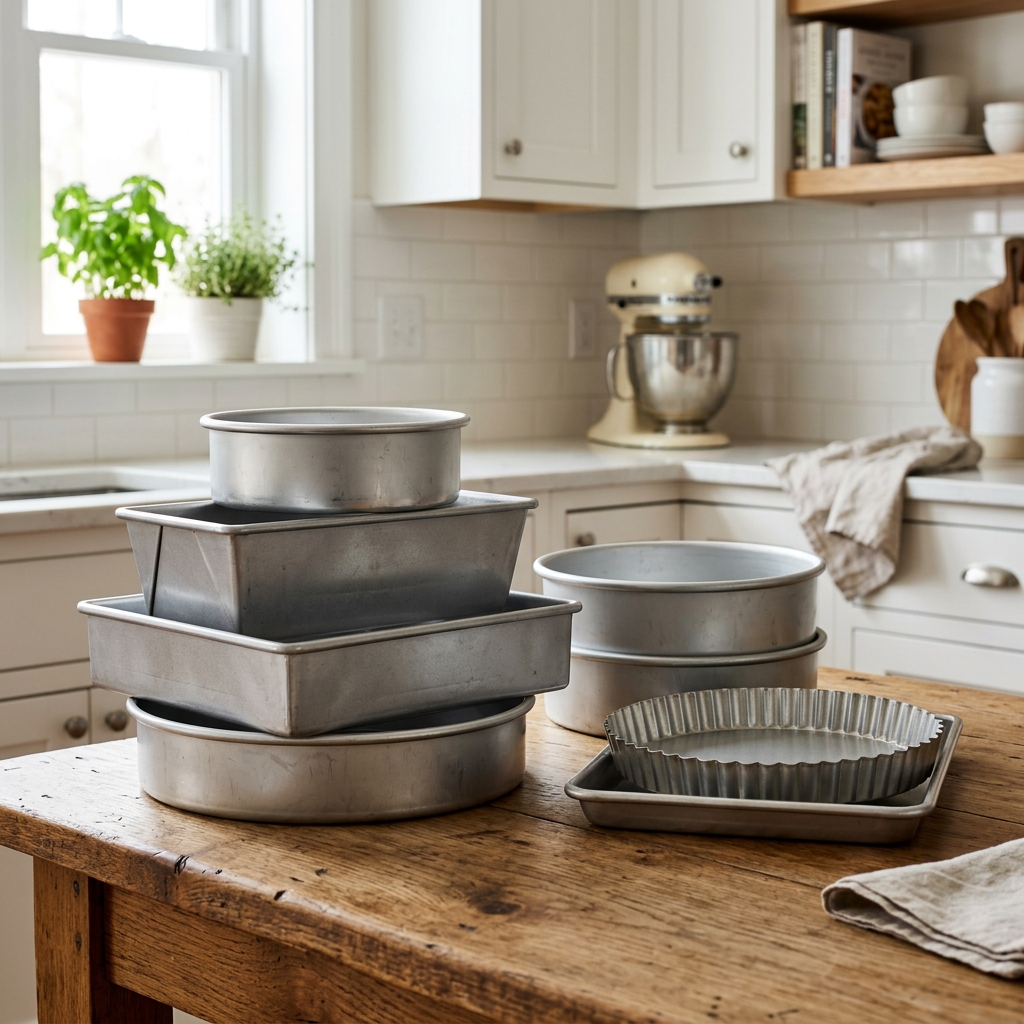
- Use two pans: The easiest fix is to split your batter into two separate pans of the original size and bake them side-by-side. The bake time will stay exactly the same (though you might need to add an extra minute or two if your oven is packed).
- Find a larger pan: If you want one big cake, make sure your new pan has twice the surface area. For example, doubling a recipe for an 8-inch square pan (64 square inches) fits perfectly in a 9x13-inch pan (117 square inches). The baking time will be roughly the same because the batter's depth is the same.
If you bake a double batch of cookies in two batches, the baking time per batch remains exactly the same. Do not double the time!
Inside the Kitchen
Let the Scaler Do the Work
Want to double your cookies without the stress?
Our free Recipe Scaler Tool has you covered. Just paste your ingredient list, hit 2.0x, and you'll get a perfectly balanced, doubled ingredient list ready for the kitchen.
More Handy Kitchen Calculators
Keep your recipe adjustments fast and simple with these other free tools:
- Recipe Scaler — Scale your ingredients for any crowd size.
- Servings Calculator — Adjust ingredients based on how many people you're feeding.
- Baking Pan Size Converter — Swap baking pans without ruining the depth.
- Cooking Time Scaler — Estimate cook times when you change pan shapes.
Wrap Up
Doubling a recipe is easy once you know what to double and what to hold back on. Just keep structural stuff like flour and sugar at 2x, go light on spices and leaveners, and use two pans to keep your bake times consistent. Happy cooking!
Frequently Asked Questions
Recommended Reading
How to Scale a Recipe Up or Down Without Ruining It
Want to scale a recipe up or down? Here is how to calculate your scaling factor and adjust tricky ingredients like yeast, baking powder, and spices so your food still tastes great.
How to Halve a Recipe Without Mistakes
Need to cut a recipe in half? Here is how to do the math, split an egg, pick the right pan, and adjust your baking time without ruining your dinner.
How to Triple a Recipe Without Ruining It
Making a massive batch? Here is why you can't just multiply every ingredient by three, how to adjust leavening, and how to scale spices safely.